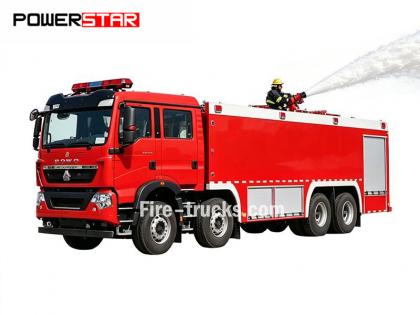
Хабарлама қалдырыңыз
Егер сіз біздің өнімдерге қызығушылық танытсаңыз және қосымша ақпарат алғыңыз келсе, онда хабарлама қалдырыңыз, біз сізге мүмкіндігінше тез жауап береміз.

Су өрт сөндіру машинасы және көбікті өрт сөндіру машинасы: қайсысын таңдау керек?
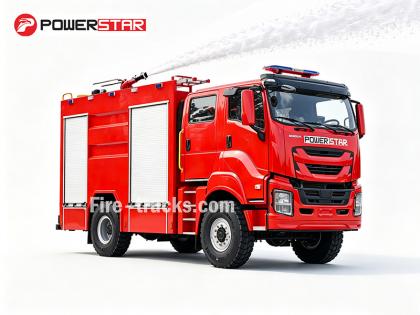
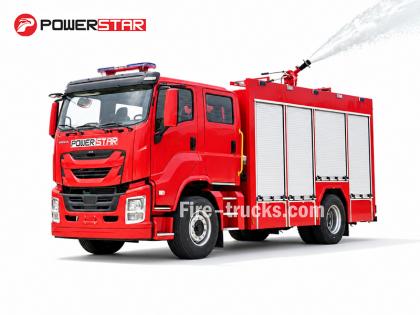
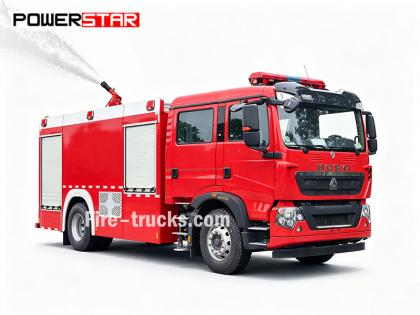
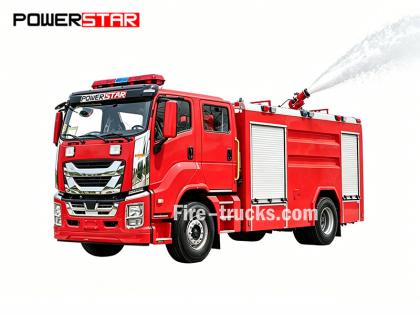
Су өрт сөндіру көліктері ағаш, қағаз және матамен байланысты қарапайым өрттерді сөндіру. Көбік өрт сөндіру машиналары бензин және май сияқты тез тұтанатын сұйық өрттерді сөндіру. Қайсысы дұрыс екені бар қауіптерге байланысты.
А су өрт сөндіру машинасы үлкен су ыдысын тасымалдайды және суды шлангтар немесе палуба мылтығы арқылы жеткізу үшін жоғары қысымды сорғыны пайдаланады. Бұл бүкіл әлемдегі муниципалдық өрт сөндіру бөлімдері мен өнеркәсіптік нысандар пайдаланатын өрт сөндіру көлігінің ең көп таралған түрі.
А көбікті өрт сөндіру машинасы екінші жағынан, өрт сөндіру көбігін тасымалдау және жеткізу үшін арнайы жасалған. Судың өзі өртті тиімді түрде сөндіруге мүмкіндік бермеген кезде — мысалы, тез тұтанатын сұйықтықтармен, химиялық заттармен немесе отынмен — көбік жақсы таңдау болып табылады. Көбік оттың үстіне көрпе жасау, оттегін өшіру және қайта тұтанудың алдын алу арқылы жұмыс істейді.
Су өрт сөндіру көлігі дәл солай естіледі — үлкен су багы, қуатты сорғы және өрт сөндірушілерге су жеткізуге арналған шлангілермен немесе мониторлармен жабдықталған көлік. Су багы әдетте 500-ден 3000 галлонға дейін (шамамен 2000-нан 12000 литрге дейін) сыйымдылыққа ие. Сорғы суды бактан немесе өрт гидрантынан, көлден немесе тоғаннан сияқты сыртқы көзден алады, содан кейін оны жоғары қысыммен шлангілер арқылы итереді.
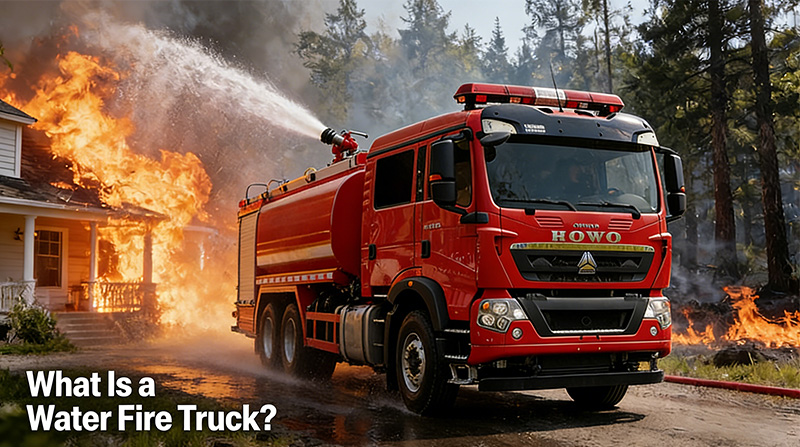
Су өрт сөндіру көліктері қай жерде жақсы жұмыс істейді:
Су өрт сөндіру көліктері өте қолайлы А класындағы өрттер , оған кәдімгі жанғыш заттар жатады:
Ағаш және ағаш
Қағаз және картон
Мата және мата
Резеңке және пластмассалар
Шөп, бұта және орман материалдары
Егер өрт үйде, қоймада немесе егістікте жанып жатқан материалдарға қатысты болса, оны әдетте су сөндіреді.
Судың шектеулері:
Судың бір үлкен кемшілігі бар. Бензин, май немесе химиялық заттар сияқты жанып жатқан сұйықтықтарға шашыратқанда, су бұл отындарға қарағанда ауыр болғандықтан батып кетеді. Отын үстінде қалқып жүреді және жануды жалғастырады. Кейбір жағдайларда су тіпті отты кеңірек аймаққа таратуы мүмкін. Сондықтан тек су жанғыш сұйықтықтармен өртеу үшін тиімді емес.
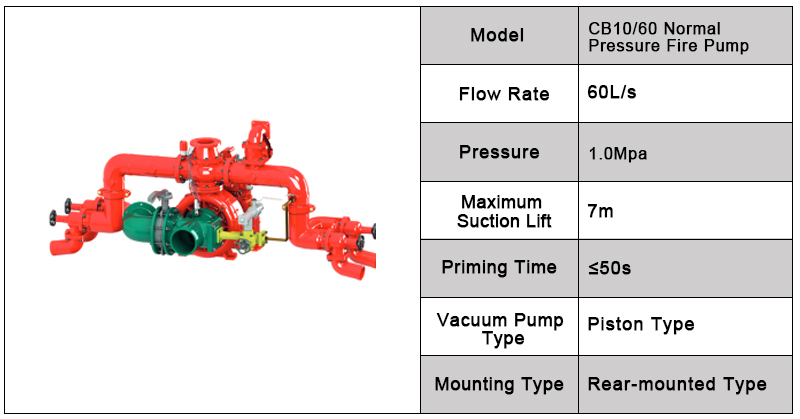
Сумен жұмыс істейтін өрт сөндіру көлігінің өрт сөндіру сорғысының сипаттамалары:
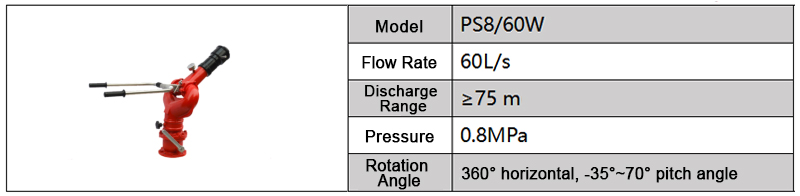
Су өрт сөндіру көлігі өрт бақылаушысы сипаттамалары:
Көбікті өрт сөндіру көлігі - өрт сөндіру көбігін тасымалдауға және жеткізуге арналған мамандандырылған көлік. Оның екі бөлек багы бар - біреуі суға, екіншісі көбік концентратына арналған. Көбікті пропорциялау жүйесі екеуін белгілі бір қатынаста, әдетте 1%, 3% немесе 6% көбік концентратын сумен араластырады. Содан кейін бұл қоспа көбік форсункасынан өтіп, ауа қосылады, бұл кеңейтілген, тұрақты көбікті қабат жасайды.
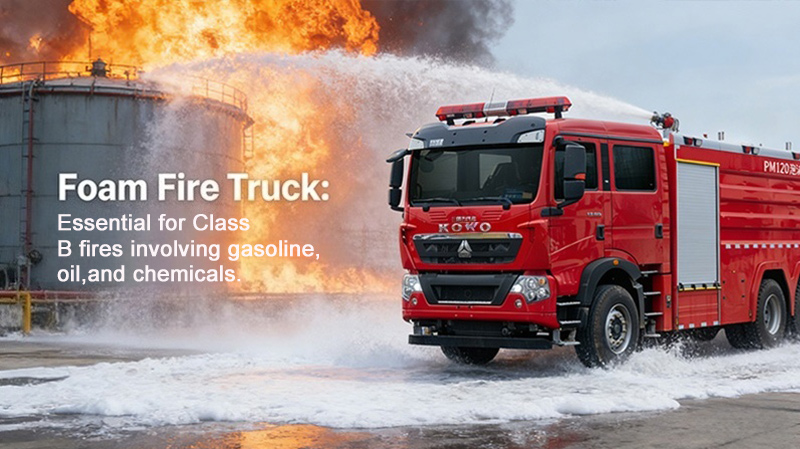
Көбік қалай жұмыс істейді:
Көбік жанып жатқан сұйықтықтың немесе материалдың үстінде қабат түзеді. Бұл көрпе:
Отқа оттегінің берілуін тоқтатады
Отын бетін салқындатады
Жанғыш булардың шығуына жол бермейді
Өрттің қайта тұтануына жол бермейді
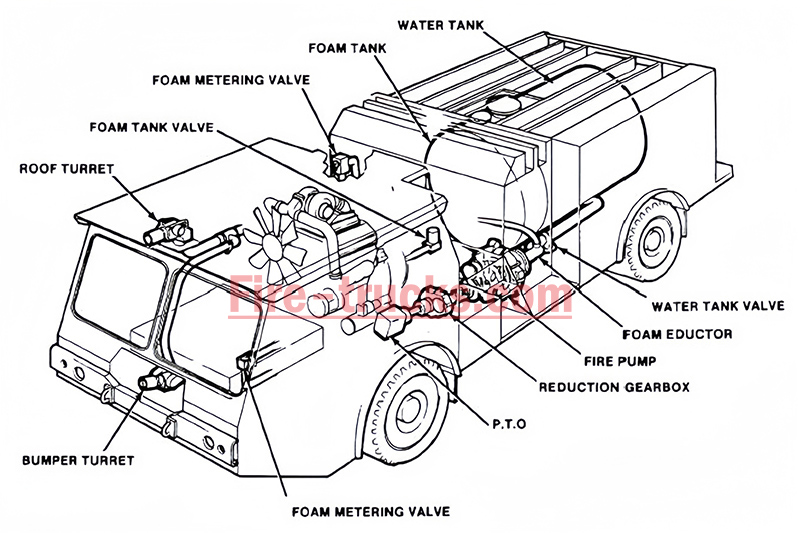
Көбік өрт сөндіру машиналары қай жерде жақсы жұмыс істейді:
Көбік өрт сөндіру көліктері өте маңызды В класындағы өрттер , олар тез тұтанатын және жанғыш сұйықтықтарды қамтиды:
Бензин және дизель
Авиактивті отын және керосин
Май және май
Алкоголь және этанол
Өнеркәсіптік химиялық заттар
Көбік сонымен қатар тек су ғана қиындық тудыратын А класты өрттер үшін де тиімді, мысалы, үйілген тауарлары бар қоймалардағы немесе шиналарды сақтау орындарындағы өрттер үшін.
Жалпы қолданылуы:
| Қолданба | Неліктен көбік жұмыс істейді |
| Әуежайлар | Реактивті отынмен жұмыс істеу үшін көбік қажет; су жұмыс істемейді |
| Мұнай өңдеу зауыттары | Оқиға орнында көп мөлшерде тұтанғыш сұйықтықтар |
| Химиялық зауыттар | Су бетінде қалқып жүретін және жануды жалғастыратын химиялық заттар |
| Отын қоймалары | Бензин мен дизель отынының бактары барлық жерде |
| Кеніштер мен теңіз платформалары | Қауіпті материалдары бар қауіпті аймақтар |
| Мұнай-химия нысандары | Көбік қайта тұтанудың алдын алады және будың шығуын бақылайды |
Көбікті араластыру процесі:
Өнеркәсіптік өрт сөндіруде қолданылатын көбік көбік концентратын сумен араластыру, содан кейін қоспаны тұрақты көбік түзу үшін желдету арқылы жасалады. Содан кейін бұл көбік дәл жабу және жағу үшін шлангілер, форсункалар немесе көбікті бақылау жүйелері арқылы жеткізіледі.
Көбіктің шектеулері:
Көбік жүк көліктерін сатып алу қымбатырақ. Оларға қосымша бактар мен пропорциялау жүйесі қажет. Көбік концентратының өзі үздіксіз шығын болып табылады. Жүйенің дұрыс араласуын қамтамасыз ету үшін оны үнемі тексеру қажет. Егер сіздің мекемеңіз сұйық отынмен сирек кездесетін өрттерге тап болса, қосымша шығындар ақталмауы мүмкін.
Көбік өрт сөндіру көлігінің өрт сорғысының сипаттамалары:
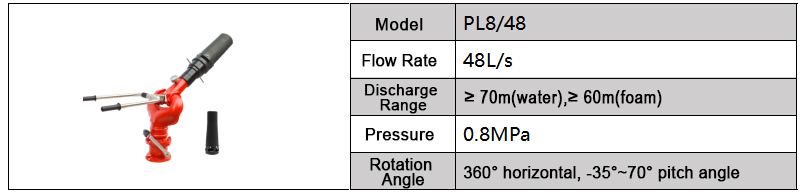
Көбіктен жасалған өрт сөндіру машинасы өрт бақылаушысы сипаттамалары:
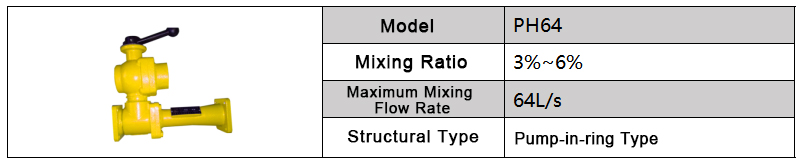
Көбіктен жасалған өрт сөндіру машинасы көбік пропорционері сипаттамалары:
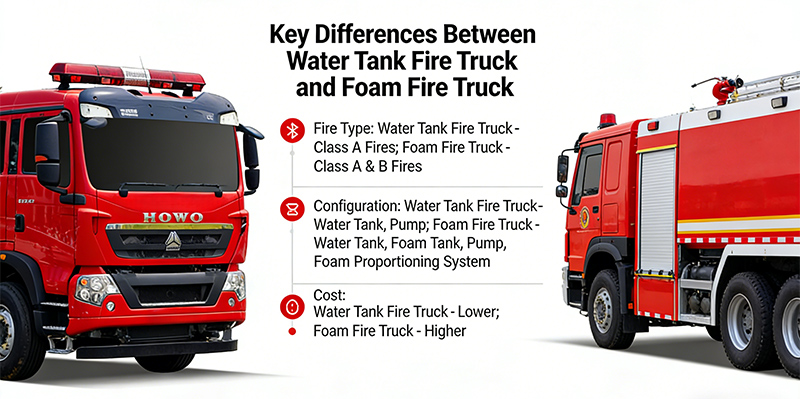
› Өрт сөндіру әдісі: Су таситын көлік суды салқындату және сөндіру үшін пайдаланады; көбікті көлік оттегін тұншықтыру және өшіру үшін көбікті көрпені пайдаланады.
› Негізгі өрт сөндіру түрі: А класындағы су көлігінің тұтқалары (ағаш, қағаз, мата, пластмасса); В класындағы көбікті көлік тұтқалары (бензин, май, химиялық заттар, реактивті отын).
› Бак конфигурациясы: Су көлігінде тек су багы бар; Көбік көлігінде су багы да, көбік концентраты багы да бар.
› Қосымша жүйелер: Су таситын көлікте мұндай жүйе жоқ; Көбік таситын көлікте көбікті пропорциялау жүйесі бар.
› Жылдамдық және тиімділік: Су таситын көлік сенімді, бірақ көбірек су қажет болуы мүмкін; Көбік таситын көлік отын жанған кезде жылдамырақ сөндіру мүмкіндігін ұсынады.
› Сатып алу құны: Су көлігі төмен; Көбік көлігі жоғарырақ.
› Өрт сөндіру әдісі: Су таситын көлік суды салқындату және сөндіру үшін пайдаланады; көбікті көлік оттегін тұншықтыру және өшіру үшін көбікті көрпені пайдаланады.
› Негізгі өрт сөндіру түрі: А класындағы су көлігінің тұтқалары (ағаш, қағаз, мата, пластмасса); В класындағы көбікті көлік тұтқалары (бензин, май, химиялық заттар, реактивті отын).
› Бак конфигурациясы: Су көлігінде тек су багы бар; Көбік көлігінде су багы да, көбік концентраты багы да бар.
› Қосымша жүйелер: Су таситын көлікте мұндай жүйе жоқ; Көбік таситын көлікте көбікті пропорциялау жүйесі бар.
› Жылдамдық және тиімділік: Су таситын көлік сенімді, бірақ көбірек су қажет болуы мүмкін; Көбік таситын көлік отын жанған кезде жылдамырақ сөндіру мүмкіндігін ұсынады.
› Сатып алу құны: Су көлігі төмен; Көбік көлігі жоғарырақ.
Су өрт сөндіру көлігі мен көбікті өрт сөндіру көлігінің арасын таңдаған кезде, мекемеңіздегі нақты өрт қауіптерін ескеріңіз.
Негізгі өрт қауіптері қарапайым жанғыш заттармен байланысты. Ғимараттар, қоймалар, кеңселер, мектептер және үйлер А класты материалдармен жанып кетеді. Су өте жақсы жұмыс істейді.
Сіз жалпы өндірісте, тау-кен өндірісінде немесе құрылыста жұмыс істейсіз. Бұл орындарға жылдам және қолжетімді өрт сөндіру қорғанысы қажет. Су көліктері сенімді және үнемді.
Сізде су көздеріне қол жеткізу мүмкіндігі бар. Егер сіздің аймағыңызда өрт гидранттары, көлдер немесе өзендер болса, сіз бакыңызды тез толтыра аласыз.
Бюджетіңіз шектеулі. Су таситын көліктерді сатып алу және күтіп ұстау арзанырақ. Көбік концентратын сатып алудың немесе қосымша тексеру үшін ақы төлеудің қажеті жоқ.
Сіз жабайы немесе шөп өрттерімен күресесіз. Су - өсімдіктерді өртеу үшін стандартты құрал.
Сіздің мекемеңіз тез тұтанатын сұйықтықтарды өңдейді. Химиялық зауыттар, мұнай өңдеу зауыттары, отын сақтау қоймалары және жанармай құю станцияларының барлығы В класындағы өрт қаупіне ұшырайды. Көбік өте қажет.
Сіз әуежайды басқарасыз. Реактивті отынның өртін тек сумен сөндіру мүмкін емес. Көбік авиациялық қауіпсіздік ережелеріне сәйкес қажет.
Сіз мұнай-химия нысандарында, шахталарда немесе теңіз платформаларында жұмыс істейсіз. Бұл қауіпті аймақтарда тұтанатын сұйықтық өрттерін бақылау және қайта тұтанудың алдын алу үшін көбік қажет.
Қоршаған ортаға келтірілетін зиянның алдын алу қажет. Көбік өрт кезінде қауіпті заттардың таралуын азайтып, оларды ұстап тұруға көмектеседі.
Сіздің бөліміңіз аралас тәуекелдерге тап болады. Егер сіз ғимарат өрттеріне де, жанармай төгілуіне де жауап берсеңіз, көбікті жүк көлігі сізге икемділік береді.
Көптеген заманауи өрт сөндіру көліктері су мен көбікті бірге тасымалдауға арналған. Бұл көліктерде тек су, тек көбік немесе қоспа арасында ауысуға мүмкіндік беретін пропорционалды жүйемен жабдықталған бөлек су және көбік бактары бар. Бұл конфигурация максималды икемділікті ұсынады және көбінесе аралас өрт қаупі бар нысандар үшін ең жақсы таңдау болып табылады.
Су өрт сөндіру көліктері ағаш, қағаз, мата және пластик сияқты қарапайым өрттер үшін сенімді және қолжетімді жұмыс күші болып табылады. Көбік өрт сөндіру көліктері бензин, дизель және химиялық заттар сияқты тез тұтанатын сұйық өрттер үшін өте маңызды мамандар болып табылады. Аралас қауіптер болған кезде, су мен көбікті жеткізетін екі мақсатты жүк көлігі ең жақсы құндылықты ұсынады.


Сізді келесі ақпарат қызықтыруы мүмкін
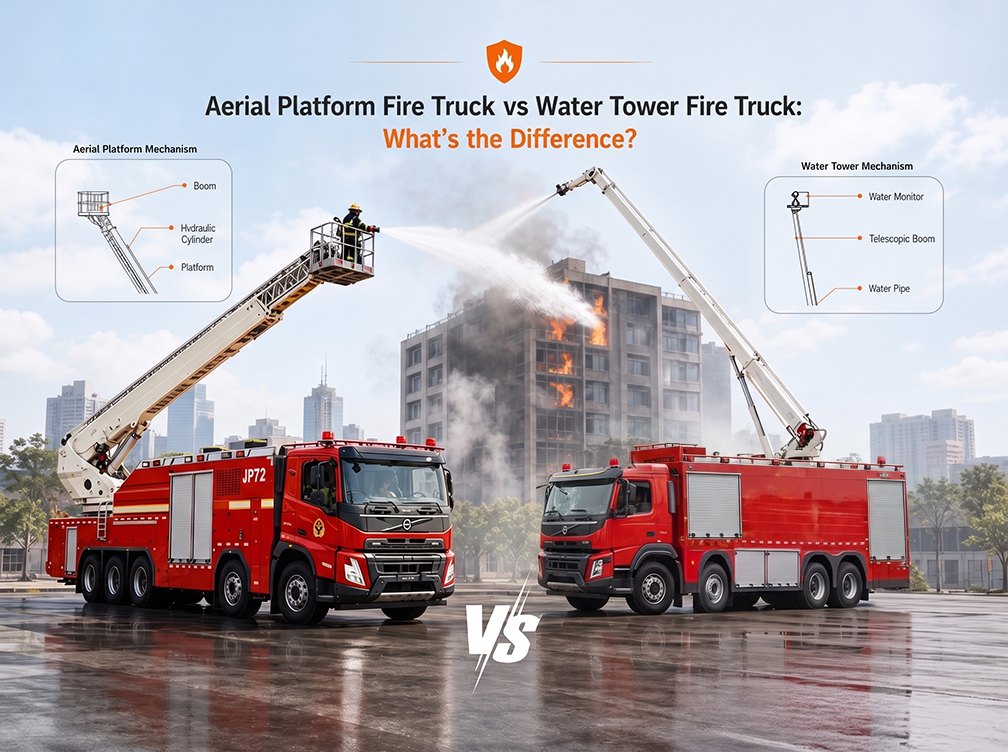
Биік ғимараттардағы, өнеркәсіптік нысандардағы немесе үлкен қоймалардағы өрттермен күресуге келгенде, әуелік өрт сөндіру көліктері таптырмас құрал болып табылады. Бірақ әуелік техниканың әртүрлі түрлерінің ішінде жиі шатастырылатын екі түрі бар: әуелік платформасы бар өрт сөндіру көлігі және су мұнарасы бар өрт сөндіру көлігі. Бір қарағанда, олар ұқсас көрінуі мүмкін — екеуінде де гидравликалық жебелер бар және биіктікте өрт сөндіруге арналған — алайда олардың атқаратын міндеттері түбегейлі өзгеше. Бұл мақала осы екі көлік түрінің негізгі айырмашылықтарын талдап, өрт сөндіру қызметінің мамандарына, сатып алу менеджерлеріне және жабдық дистрибьюторларына пайдалану қажеттіліктеріне сүйене отырып, дұрыс шешім қабылдауға көмектеседі. I. Әуелік платформасы бар көліктер дегеніміз не? Қытайдың GB 7956.12-2015 ұлттық стандартына сәйкес, екі көлік те әуелік өрт сөндіру көліктері санатына жатады — олар биіктіктегі жұмыстарға арналған көтерілетін жебелермен, айналмалы платформалармен және өрт сөндіру жабдықтарымен жабдықталған көліктер. Алайда олардың нақты анықтамалары маңызды айырмашылықты көрсетеді. Әуелік платформасы бар өрт сөндіру көлігі Әуелік платформасы бар өрт сөндіру көлігі бүктелмелі немесе бүктелмелі-телескопиялық құрамдастырылған жебемен, адамдарға арналған платформамен, айналмалы платформамен және өрт сөндіру құрылғыларымен жабдықталады. Негізгі ерекшелігі — жебенің соңындағы жұмыс платформасы (себет) , онда өрт сөндірушілер тұрып, құтқару және өрт сөндіру жұмыстарын орындай алады. Негізгі сипаттамалары:• Адамдар мен жабдықтарды көтере алатын платформамен жабдықталған: 750 фунттан 1 500 фунттан астамға дейінгі салмақты• Құтқару және өрт сөндіру жұмыстарына арналған — өрт сөндірушілер платформадан тікелей жұмыс істей алады• Платформаны түсуін басқару құрылғыларымен, гидравликалық шығырлармен немесе құтқару науаларымен бірге пайдалануға болады• Су мұнараларымен салыстырғанда көлденең бағытта кеңірек жету мүмкіндігі және үлкен жұмыс ауқымы бар II. II. Су мұнарасы бар өрт сөндіру көліктері дегеніміз не? Су мұнарасы бар өрт сөндіру көлігі бүктелмелі немесе бүктелмелі-телескопиялық құрамдастырылған жебемен, айналмалы платформамен және өрт сөндіру құрылғыларымен жабдықталады —адамдарға арналған платформасыз. Оның орнына жебенің ұшына өрт сөндіру оқпаны (су атқыш) орнатылады, оны жерден қашықтан басқаруға болады. Негізгі сипаттамалары:• Адамдарға арналған платформа жоқ — өрт сөндірушілер қашықтан басқару арқылы жерден жұмыс істейді• Тек биіктіктегі өртті сөндіруге бағытталған, құтқару жұмыстарына емес• Өте жоғары су ағынын қамтамасыз етеді—минутына 2 000 галлоннан асадыкөптеген өнеркәсіптік үлгілерде• Құтқару мүмкіндігі қажет емес өнеркәсіптік өрттен қорғау үшін әзірленген III. Қатар қойылған салыстыру Мүмкіндік Әуе платформалы өрт сөндіру көлігі Су мұнаралы өрт сөндіру көлігі Негізгі қызметі Құтқару + өрт сөндіру Тек өрт сөндіру Жебе ұшындағы жабдық Қызметкерлерге арналған жұмыс платформасы (себет) Өрт сөндіру мониторы (су атқыш) Жебедегі қы...
Мәлімет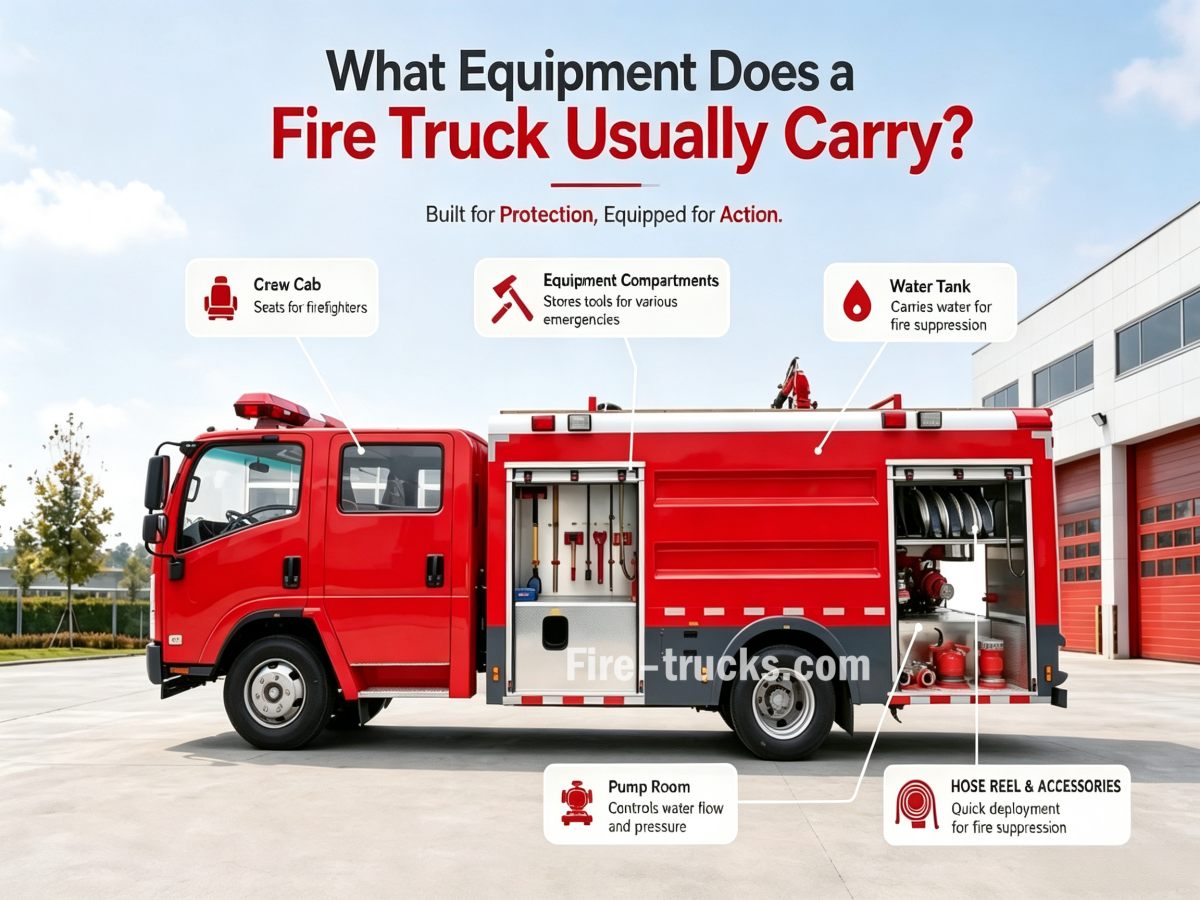
Өрт сөндіру көлігі әдетте өрт сөндіру, су беру, құтқару және қауіпсіздікті қорғау жабдықтарын тасымалдайды. Кең таралған жабдықтарға өрт сорғылары, су бактары, өрт жеңдері, өрт саптамалары, өрт оқпандары, клапандар, өрт баспалдақтары, құтқару құралдары, қорғаныс жабдықтары және байланыс құрылғылары жатады. Бұл мақала стандартты өрт сөндіру көлігі жабдықтарының жіктелуін, функцияларын және таңдау кезіндегі ескерілетін мәселелерін жүйелі түрде талдайды.өрт сөндіру көлігіжабдықтары, сатып алу мамандары мен соңғы пайдаланушыларға өрт сөндіру техникасы конфигурацияларын толық түсінуге көмектеседі. I. Өрт сөндіру көлігі жабдықтарының жіктелуі 1. Өрт сөндіру жабдықтары— Өртті тікелей сөндіруге арналған негізгі құралдар, соның ішінде өрт саптамалары, өрт оқпандары, өрт жеңдері, су бөлгіштер және адаптерлер. 2. Құтқару және бұзу жабдықтары— Құтқару және өрт сөндіру жұмыстарына кіру жолдарын жасауға арналған құралдар, соның ішінде гидравликалық құтқару құралдары, өрт балталары, ломдар, кескіш аралар және шынжырлы аралар. 3. Құтқару және өмір сақтайтын жабдықтар— Іздеу, тасымалдау және адамдарды қорғауға арналған жабдықтар, соның ішінде зембілдер, құтқару арқандары, қауіпсіздік ілмектері, түсу жылдамдығын реттейтін құрылғылар, автономды тыныс алу аппараттары (SCBA) және қосалқы ауа баллондары. 4. Түтінді шығару және жарықтандыру жабдықтары— Өрт орнындағы жағдайды жақсартуға арналған жабдықтар, соның ішінде түтін шығарғыштар, жылжымалы жарықтандыру мұнаралары және тасымалды жоғары қарқынды іздеу шамдары. 5. Жеке қорғаныс жабдықтары (PPE)— Өрт сөндірушілердің қауіпсіздігін қорғауға арналған құралдар, соның ішінде дулығалар, құрылымдық өрт сөндіруге арналған қорғаныс киімдері, қолғаптар, етіктер және қауіпсіздік белдіктері. 6. Байланыс және барлау жабдықтары— Өрт орнындағы ақпарат жинау және басқаруды үйлестіруге арналған жабдықтар, соның ішінде екіжақты радиостанциялар, жылулық бейнелеу камералары және улы газ детекторлары. II. Өрт сөндіру көліктеріндегі өрт сөндіру жабдықтары 1. Өрт сорғысы Өрт сорғысы барлық өрт сөндіру операцияларының қуат көзі болып табылады. Ол суды механикалық түрде қысымдайды және оған «суды сору → қысымдау → жеткізу → шығару» толық процесін орындауға жеткілікті кинетикалық энергия береді. Өрт сорғыларының типтік сипаттамалары: •Стандартты қысымды өрт сорғысы (CB10/30 түрі):Өнімділігі ≥30L/s, номиналды қысымы 1.0MPa, артқы бөлікте орнатылады. Стандартты су тасымалдаушы көліктерге және көбікпен өрт сөндіру көліктеріне жарамды, қалалық және өнеркәсіптік өрт сөндірудің көптеген су беру талаптарын қанағаттандырады. •Орташа/жоғары қысымды өрт сорғысы:Төмен қысымды ағын 1.0MPa кезінде 30L/s, жоғары қысымды ағын 2.0MPa кезінде 20L/s, артқы бөлікте орнатылады. Қос қысымды құрылым бір сорғыда үлкен көлемді беруді (төмен қысым) және алыс қашықтыққа/биік ғимараттарға жеткізуді (жоғары қысым) қамтамасыз етеді. Қалалық негізгі өрт сөндіру көліктері мен биік ғимараттардағы өрт сөндіру жағдайларына қолайлы. •Жоғары қысымды өрт сорғысы:Өнімділігі 10-1...
Мәлімет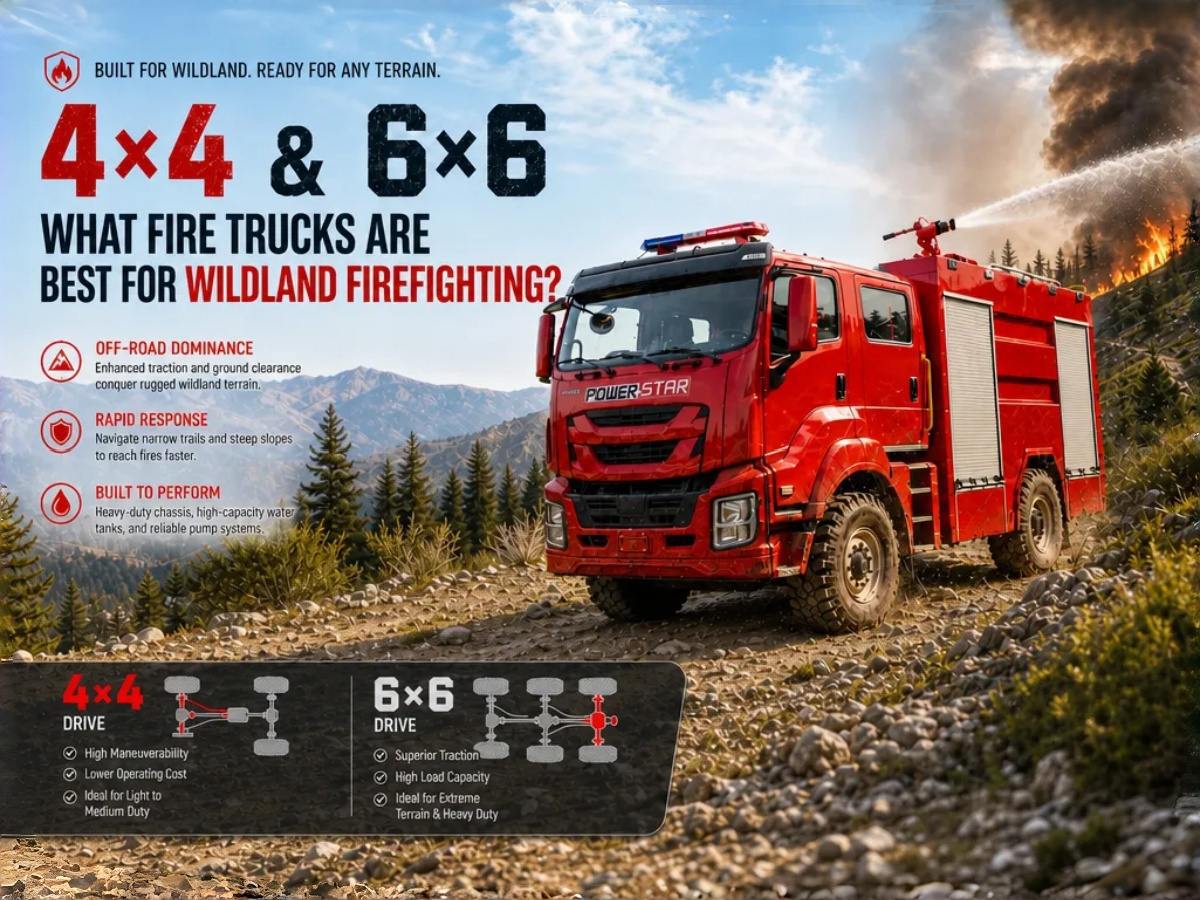
Табиғи аумақтардағы өрт сөндіру құрылыс нысандарындағы өрт сөндіруден түбегейлі ерекшеленетін қиындықтарды тудырады. Шалғай ормандарда, шабындықтарда және таулы жерлерде өрт сөндіру көліктері тар соқпақтармен жүруге, тік беткейлерге көтерілуге және өрт гидранттарынан немесе су көздерінен алыс жерде жұмыс істеуге тиіс. Дұрыс өрт сөндіру көлігін таңдау — әрекет ету уақытын, экипаж қауіпсіздігін және өртті сөндіру тиімділігін тікелей әсер ететін стратегиялық шешім. Бұл мақала табиғи аумақтардағы өрт сөндіруге ең қолайлы өрт сөндіру көлігі түрлерін, олардың негізгі ерекшеліктерін және таңдау әдістерін жан-жақты талдап, нақты пайдалану талаптарыңызға сай дұрыс шешім қабылдауға көмектеседі. Қысқаша жауап Табиғи аумақтардағы өрттер үлкен өрт аумақтарымен, күрделі жер бедерімен, шектеулі су көздерімен және нашар жол жағдайларымен сипатталады, сондықтан барлық орман өрті жағдайларын басқара алатын бір ғана өрт сөндіру көлігі жоқ. Жалпы алғанда, табиғи аумақтардағы өрт сөндіруде негізінен келесі өрт сөндіру көлігі түрлері қолданылады: • Жеңіл табиғи аумақтағы өрт сөндіру көліктері: орман жолдарына жету және жедел әрекет ету үшін• 4×4 жетекті жолсыз табиғи аумақтағы өрт сөндіру көліктері: таулы және қыратты жерлер үшін• 6×6 жетекті табиғи аумақтағы өрт сөндіру көліктері: ауқымды орман өрттері және ұзақ операциялар үшін• Су тасымалдағыштар: үздіксіз су жеткізу және қолдау үшін• Көбікті өрт сөндіру көліктері: мұнай нысандары, орман техникасы немесе арнайы өрттер үшін• Құтқару көліктері: байланыс, жарықтандыру, кедергілерді бұзу және логистикалық қолдау үшін I. Неліктен табиғи аумақтағы өрттерге арнайы өрт сөндіру көліктері қажет? Табиғи аумақтағы өрттер құрылыс нысандарындағы өрттерден бірнеше маңызды ерекшелігі бойынша түбегейлі өзгеше: Табиғи аумақтағы өрттердің негізгі сипаттамалары:• Жердің гектарларын қамтитын үлкен өрт аумақтары• Жел бағытының жылдам өзгеруі• Күрделі және ойлы-қырлы жер бедері• Өрт гидранттарына немесе су көздеріне қолжетімділіктің шектеулі болуы немесе мүлде болмауы• Тар, төселмеген орман жолдары• Байланыс жағдайларының күрделілігі Қалалық стандартты өрт сөндіру көліктері келесі себептерге байланысты табиғи аумақтағы өрт сөндіруге әдетте жарамсыз: • • Төселмеген тау жолдары мен тік беткейлерде жүру үшін 4×4 немесе толық жетекті жүйенің болмауы;• • Үлкен өлшемі және жерден төмен биіктігі тар орман соқпақтарында және жұмсақ жерлерде тұрып қалуға бейім етеді;• • Қалалық сорғылар орташа қысымда жоғары ағынға басымдық береді, ал табиғи аумақтағы операциялар шектеулі сумен ұзын жең желілерінде жоғары қысымды қажет етеді — бұл түбегейлі басқа тәсіл. II. Табиғи аумақтағы өрт сөндіру көліктерінің кең таралған түрлері Өрт сөндіру көлігі түрі Негізгі сипаттамалары Қолданылатын жағдайлар Жеңіл табиғи аумақтағы өрт сөндіру көлігі Жоғары маневрлік, ықшам өлшем Орманды патрульдеу, бастапқы шабуыл 4x4 табиғи аумақтағы өрт сөндіру көлігі Күшті жолсыз жүру мүмкіндігі Таулы және қыратты жерлер 6x6 табиғи аумақтағы өрт сөндіру көлігі Үлкен су сыйымдылығ...
Мәлімет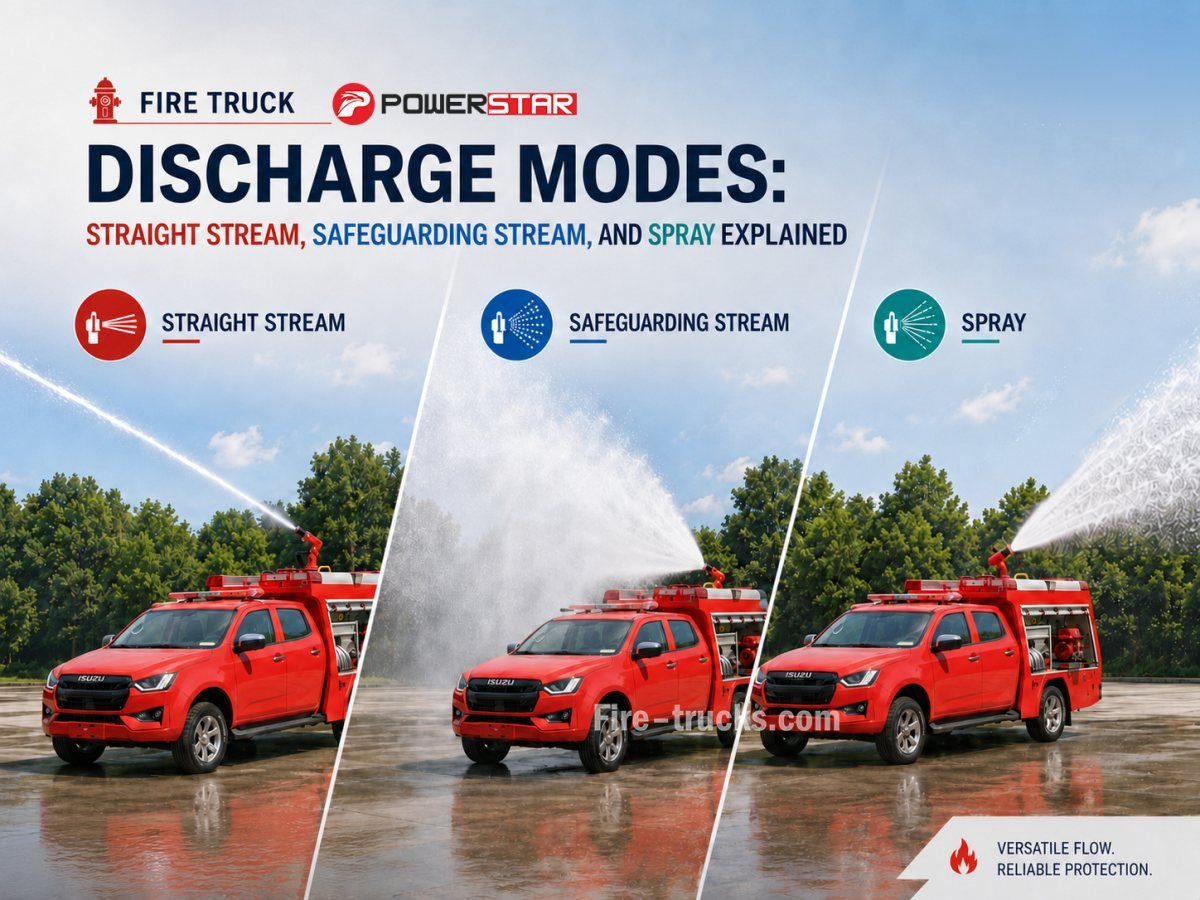
Өрт сөндіру операцияларында су беру режимін таңдау өрт сөндіру тиімділігін, операциялық қауіпсіздікті және өртті бақылау нәтижелілігін тікелей анықтайды. Көпшілік мынаны білмейді: өрт сөндіру көлігі саптамалары үш негізгі су беру режимі арасында ауыса алады: түзу ағын, бүріккіш ағын және қорғаныс ағыны. Әртүрлі режимдер ағын пішіні, қашықтығы, соққы күші және қамту аумағы бойынша айтарлықтай ерекшеленеді, әрі әрқайсысы мүлде басқа өрт жағдайларына сәйкес келеді. Бұл мақала кәсіби өрт сөндіру операциялары стандарттарына негізделіп, үш су беру режимінің принциптерін, негізгі сипаттамаларын және қолдану жағдайларын жан-жақты талдайды, бұл тұтынушыларымызға өрт сөндіру көлігімен су беру әдістерін жүйелі түрде меңгеруге көмектеседі. I. Неліктен өрт сөндіру көліктеріне әртүрлі су беру режимдері қажет? Түзу ағын, бүріккіш ағын және қорғаныс ағыны үш түрлі өрт сөндіру механизміне сәйкес келеді: соққымен сөндіру, булану арқылы тұншықтыру және жылулық сәулеленуден қорғау. Өрт сөндірушілер жағдайға қарай оларды икемді түрде ауыстыруы керек. Сонымен, неге біз тек бір ғана ағын түрін пайдалана алмаймыз? 1. Өрт түрлерінің әртүрлілігі әртүрлі сөндіргіш орта пішіндерін қажет етеді Әртүрлі өрт түрлерінің жану сипаттамалары әртүрлі, бұл тиісті сөндіру әдісін анықтайды: • A класты қатты материалдар өрттері жанған материалдарды бұзу және ішкі салқындату үшін ену мақсатында түзу ағынның соққысын қажет етеді; • B класты сұйық өрттерде түзу ағынды қолдануға болмайды (ол шашырауға және өрттің таралуына әкеледі), оның орнына жабу және сұйылту үшін қорғаныс немесе бүріккіш ағын қолданылуы керек; • E класты кернеудегі электр өрттерінде тек бүріккіш ағынды қолдануға болады, өйткені ұсақ су тамшылары үздіксіз өткізгіш жол түзбейді; • Жабық кеңістік өрттерінде бүкіл кеңістікті толтыру үшін бүріккіш ағын қажет, ол булану арқылы жылуды сіңіру және тұншықтыру жолымен өртті сөндіреді. Бірде-бір режим барлық өрт түрлеріне бейімделе алмайды. 2. Бір өрттің әртүрлі кезеңдері әртүрлі тактикалық тәсілдерді қажет етеді Тіпті бір өрттің өзінде әртүрлі кезеңдер әртүрлі су беру режимдерін қажет етеді: • Өрт қарқынды болған бастапқы кезеңде оны тез басу үшін өрт ошағына алыс қашықтықтан соққы беру мақсатында түзу ағын қажет; • Ілгері жылжу кезінде жылулық сәулеленуді бөгеу және персоналды қорғау үшін су пердесі тосқауылын қалыптастыратын қорғаныс ағыны қажет; • Бөлмеге кірер алдында ішкі шабуылға жағдай жасау үшін түтін мен газдарды салқындатып, сұйылту мақсатында бүріккіш ағын қажет. Бір ғана режим бүкіл өрт сөндіру процесіндегі операциялық қажеттіліктерді қамти алмайды. 3. Қашықтық, қамту аумағы және салқындату тиімділігі бір уақытта орындала алмайды Үш режимнің әрқайсысының үш негізгі өлшем бойынша өз артықшылықтары мен кемшіліктері бар: • Түзу ағынның қашықтығы ең ұзын (120 м+ дейін), бірақ қамту аумағы шағын, тек нүктелік әсер етеді; • Бүріккіш ағын кеңістікті толтырады және булану арқылы жылу сіңіру тиімділігі ең жоғары, бірақ қашықтығы ең қысқа; • Қорғаныс ағыны желпуіш тәрізді тарал...
Мәлімет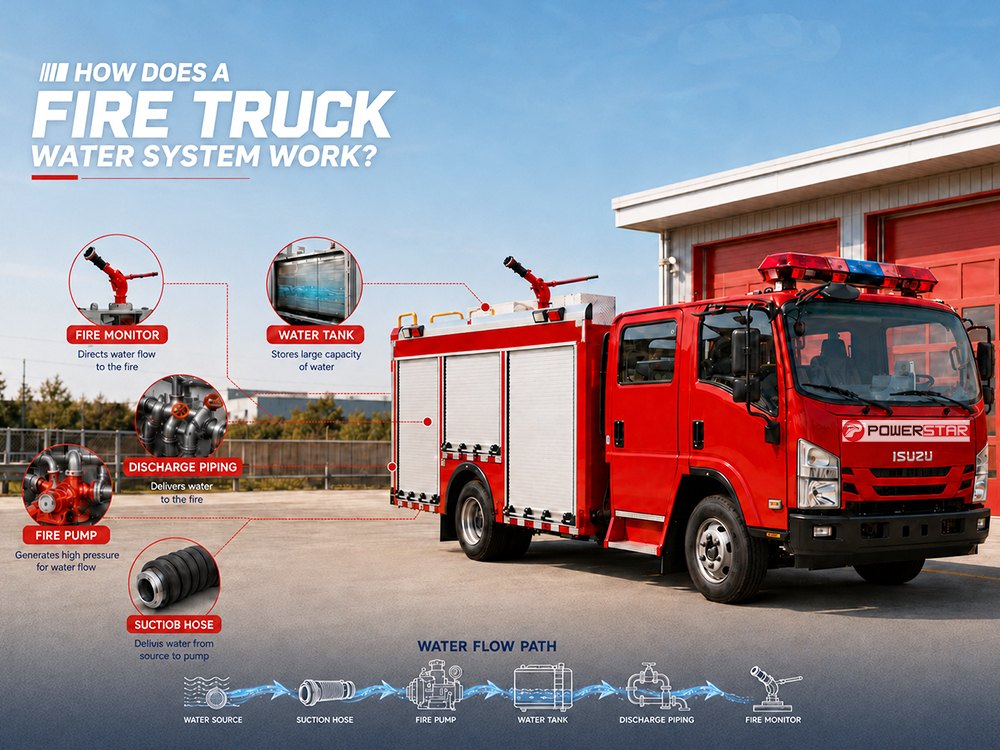
Өрт сөндіру автокөлігінің су құбыры жүйесі әрбір өрт сөндіру операциясының өзегі болып табылады. Ол резервуардан немесе сыртқы көзден суды сорғы, клапандар және құбырлар арқылы дәл бағыттап, өрт болған жерге жоғары қысымды су немесе көбік жеткізеді — бұл тығыз қала орталығындағы көпқабатты ғимарат өрті болсын немесе өнеркәсіптік аймақтағы мұнай-химия сақтау резервуарының өрті болсын. өрт сөндіру автокөлігі су құбыры жүйесі бірге жұмыс істейтін бірнеше құрамдас бөліктен тұрады: өрт сорғысы, су резервуары, сору түтігі, шығару құбырлары, клапандар, бөлгіш тармақ, жинақтаушы тармақ, сүзгі, өрт мониторы, түтік жалғастырғыштары және тағы басқалар. Толық ағын жолы: Су резервуары → Сору түтігі → Сүзгі → Өрт сорғысы → Қысымды реттеу жүйесі → Шығару коллекторы → Клапандар → Бөлгіш тармақ → Өрт мониторы / Түтік жалғастырғыштары → Саптама Бұл мақалада су құбыры жүйесінің әрбір құрамдас бөлігі және олардың суды қажетті қысым мен ағын мөлшерімен жеткізу үшін қалай бірге жұмыс істейтіні түсіндіріледі. I. Су құбыры жүйесінің негізгі құрамдас бөліктері Су резервуары Автокөліктегі су қорын сақтайды. ● Сыйымдылығы: Әдетте 2 000–12 000 литр. ● Жеткізуі: Қабылдау құбырлары арқылы сорғыға су береді. ● Ерекшеліктері: Көліктің тұрақтылығын қамтамасыз ететін толқынға қарсы қалқалар, қоқысты сүзуге арналған сүзгі және табиғи су көздерінен су тартуға арналған толтыру жүйесі. Өрт сорғысы PTO арқылы автокөлік қозғалтқышымен жетектелетін орталықтан тепкіш сорғы; бір сатылы/көп сатылы, шойыннан немесе қоладан жасалған. ● Қысым деңгейлері: Стандартты 0,8 МПа, 1,0 МПа, 1,2 МПа және 1,4 МПа көрсеткіштерінде қолжетімді, бұл өрт сөндірудің әдеттегі талаптарына сәйкес келеді. ● Ағын жылдамдығы: 1 200-ден 6 000 л/мин-ге дейін өзгереді, өнімділік сипаттамалары жоғары қысымды және үлкен көлемді операциялар үшін оңтайландырылған. Клапандар мен құбырлар Су ағынының бағыты мен көлемін басқаратын құбырлар мен клапандар желісі. ● Қабылдау клапаны: Сорғыны сыртқы су көздеріне (өрт гидранты немесе су тарту нүктесі) қосады ● Резервуардан сорғыға арналған клапан: Сорғыға суды тікелей борттағы резервуардан алуға мүмкіндік береді ● Шығару клапандары: Түтіктер мен саптамаларға бағытталатын су ағынын басқарады II. Өрт сөндіру автокөлігінің су құбыры жүйесінің жұмыс істеу принципі 1-қадам: Су алу және толтыру Су жүйеге борттағы резервуардан, өрт гидрантынан немесе табиғи су көздерінен (көлдер, өзендер, тоғандар) түседі. Табиғи су көздерінен су тарту кезінде толтыру жүйесі (вакуумдық сорғы) сору түтігіндегі ауаны шығарып, вакуум жасайды, бұл атмосфералық қысымның суды сорғыға итеруіне мүмкіндік береді. Сүзгі қоқысты ұстап, сорғыны қорғайды, ал кері клапан кері ағуды болдырмайды. 2-қадам: Сорғыны қысымдау Ортадан тепкіш сорғы жүк көлігінің қозғалтқышы арқылы қуат алу механизмі (PTO) көмегімен іске қосылады. Сорғыға су толғаннан кейін жұмыс дөңгелегі жоғары жылдамдықпен (1 500–2 500 айн/мин) айналады. Ортадан тепкіш күш суды сыртқа қарай лақтырып, оның жылдамдығын арттырады. Сорғы корпусы осы жылдамды...
Мәлімет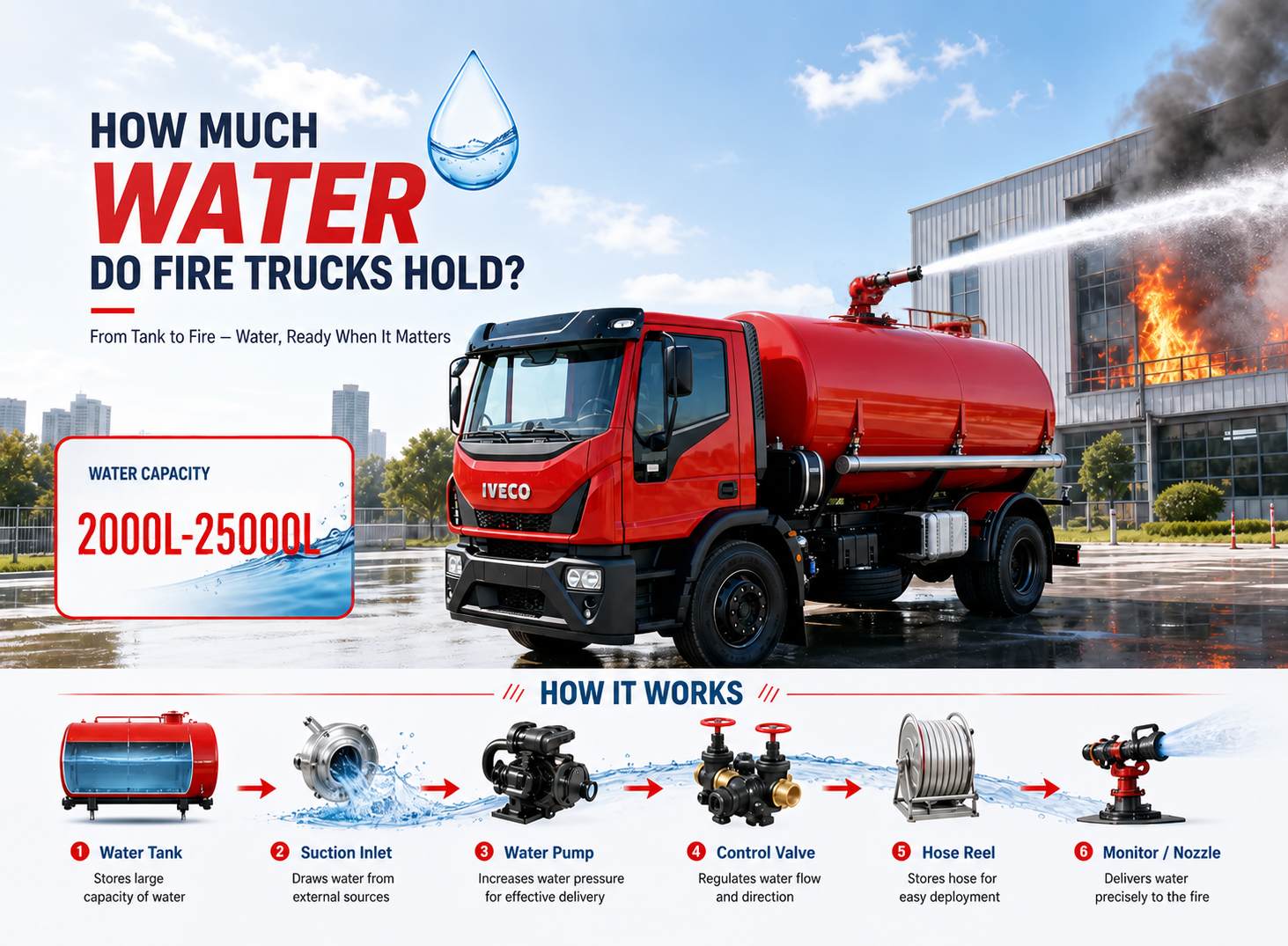
Өрт сөндіру көлігі қанша су тасымалдай алады? Бұл біздің тұтынушыларымыз өрт сөндіру көлігін таңдағанда кездесетін алғашқы сұрақтардың бірі. Бір ғана белгіленген сан жоқ — ол көлік түріне, шасси сыйымдылығына, жобалау мақсатына және өңірлік талаптарға байланысты, сыйымдылығы 2 000 литр болатын жеңіл үлгілерден 25 000 литрлік өнеркәсіптік өрт сөндіру көліктеріне дейін өзгереді. Бірақ үлкенірек бак әрқашан жақсы өнімділікті білдірмейді;өрт сөндіру көлігі су багының сыйымдылығы тиімді өрт сөндіру нәтижелерін қамтамасыз ету үшін сорғының ағын жылдамдығымен, лафеттік оқпанның шығару жылдамдығымен және шасси сыйымдылығымен дұрыс сәйкестендірілуі керек. Бұл мақала өрт сөндіру көлігінің су багы сыйымдылығының негізгі қағидаларынан басталып, әртүрлі көлік түрлеріне арналған әдеттегі сақтау көлемдерін талдайды, бак конструкциясына әсер ететін негізгі факторларды қарастырады және сатып алуға қатысты практикалық нұсқаулық береді. Негізгі тұжырымдар: Өрт сөндіру көлігінің су багы сыйымдылығы әдетте 2 000-нан 25 000 литрге дейін болады Әртүрлі өрт сөндіру көліктерінің бак сыйымдылығы әртүрлі болады Үлкенірек бак өрт сөндіру мүмкіндігі жақсырақ дегенді білдірмейді Бак сыйымдылығы сорғы ағынымен, лафеттік оқпан ағынымен және шасси сыйымдылығымен сәйкестендірілуі керек Өнеркәсіптік өрт сөндіру әдетте үлкен бактарды қажет етеді, ал муниципалдық өрт сөндіру маневрлік қабілетке басымдық береді » I. Өрт сөндіру көлігінің су бактарының үш негізгі түрі Сорғысы бар өрт сөндіру көліктері:Бұлар ең көп таралған муниципалдық өрт сөндіру көліктері. Олар су көзі ретінде негізінен өрт гидранттарына сүйенеді және бастапқы шабуыл үшін бортында шамамен 1 900–3 800 литр су алып жүреді. Бұл көліктердің негізгі бөлігі — бак емес, сорғы; олар гидрантқа қосылғаннан кейін қысыммен су беруге арналған. Цистерна көліктері (су тасымалдаушылар):Бұл көліктер үлкен көлемдегі суды тасымалдауға арналған, олардың бак сыйымдылығы әдетте 11 400 литрден асады. Олар өрт гидранттары жоқ ауылдық және шалғай аймақтарда маңызды рөл атқарады: суды су көздерінен өрт орнына тасымалдап, сорғысы бар көліктердің пайдалануына береді. Сорғысы және цистернасы бар көліктер:Бұл көліктер бір құрылғыда сорғылау және су тасымалдау функцияларын біріктіреді. Олар өрт сөндіру үшін суды шығарып қана қоймай, басқа көліктерді де сумен қамтамасыз ете алады. Бак сыйымдылығы әдетте 5 700-ден 11 400 литрге дейін болады, бұл оларды өрт сөндіру бөлімдері үшін әмбебап шешім етеді. » II. Әртүрлі өрт сөндіру көліктері қанша су тасымалдай алады? Өрт сөндіру көлігінің түрі Бактың әдеттегі сыйымдылығы Негізгі қолданылуы Жеңіл өрт сөндіру көлігі 2 000–3 000 л Қаладағы жедел әрекет ету, бастапқы шабуыл Муниципалдық сорғы көлігі 3 000–6 000 л Муниципалдық өрт сөндіру, құрылыс өрттері Орташа санаттағы сорғы көлігі 6 000–10 000 л Қалалық және өнеркәсіптік міндеттердің үйлесімі Ауыр санаттағы сорғы көлігі 10 000–15 000 л Ұзақ операциялар, алыс қашықтықтағы әрекет ету Өнеркәсіптік өрт сөндіру көлігі 15 000–25 000 л Мұнай, химия, тау-кен өнді...
Мәлімет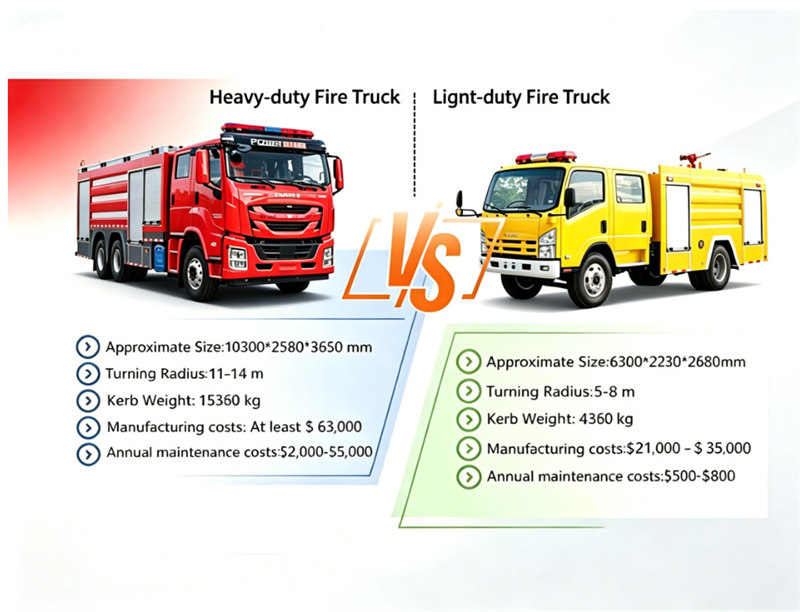
Өрт сөндіру құтқару көлігі қажеттіліктері мегаполистер мен ауылдық немесе шағын қалалық қауымдастықтар арасында айтарлықтай өзгереді. Ірі қалалық өрт сөндіру бөлімдері биік ғимараттардағы өрттерді, өнеркәсіптік өрттерді және ауқымды төтенше жағдайларды жою үшін үлкен су бактары, биікке көтерілетін сатылары және толық өнеркәсіптік деңгейдегі жабдықтары бар ауыр жүк өрт сөндіру көліктеріне сүйенеді. Алайда шағын қалалар, ауылдық елді мекендер, ауыл өрт бекеттері және ерікті өрт сөндіру бөлімдері үшін ауыр өрт сөндіру көліктері көбіне артықшылықтан гөрі ауыртпалыққа айналады. Сондықтан жеңіл өрт сөндіру көліктері бүкіл әлемдегі шағын қалалар мен ауылдық өрт сөндіру бөлімдері үшін негізгі және ең тиімді шешімге айналды. Шағын өлшемділік, икемді қозғалыс, негізгі құтқару функцияларының толықтығы және төмен жалпы шығындарды үйлестіре отырып, олар жергілікті өрт сөндіру топтарының күнделікті құтқару және өрттің алдын алу қажеттіліктеріне өте жақсы сәйкес келеді. Жеңіл өрт сөндіру көлігі — жергілікті, қала маңы және ауылдық өрт жағдайларына арнайы арналған ықшам, жеңіл төтенше өрт сөндіру көлігі. I. Ауыр жүк өрт сөндіру көліктері мен жеңіл өрт сөндіру көліктерін салыстыру: Нақты қарау ауыр және жеңіл өрт сөндіру көліктері арасындағы айырмашылықты анық көрсету үшін біз негізгі практикалық көрсеткіштерді қамтитын тікелей салыстыру кестесін дайындадық. Ауыр үлгілердің ұзындығы 10 метрден асады, бұрылу радиусы 11–14 м және бос салмағы 15 тонна болады, оларды жасау құны кемінде $63,000, ал жылдық қызмет көрсету шығыны $2,000–$5,000 құрайды. Керісінше, ықшам жеңіл өрт сөндіру көліктері өлшемдерін шамамен екі есе қысқартады, салмағы небәрі 4,360 кг, бастапқы бағасы $21,000-нан басталады және жылдық техникалық қызмет көрсету шығыны $800-ден төмен болады, бұл ауылдық және шағын қалалық өрт бекеттері үшін әлдеқайда жақсы маневрлік пен бюджеттік тиімділік береді. Ⅱ.Жеңіл жүк өрт сөндіру көліктерінің негізгі ерекшеліктері: 1. Жеңіл, бірақ жоғары жүк көтергіштікке ие құрылым. Көлік толық жүктелген кезде де жалпы толық массасы 8 000 кг-нан төмен болып қалады, бұл өте жылдам төтенше жағдайға әрекет етуге мүмкіндік береді. 2. Қашықтағы аймақтарға тән ойлы-қырлы және тегіс емес жол беттерінде жұмыс істеу үшін толық жетекті теңшеу қолжетімді. 3. Өрт сөндірудің толық ауқымды функциялары толығымен сақталған: a. Су мен өрт сөндіру көбігіне арналған қос тәуелсіз бак. b. Өрт сөндірушілердің толық тобын орналастыруға арналған екі қатарлы экипаж кабинасы. c. Төтенше құтқару және өрт сөндіру құралдарының толық стандартты жиынтығы. d. Оқиға орнын жарықтандыру жүйелері және сүйреу жабдықтарын қоса алғанда, қосымша опциялар. 4. Қуатты іріктеу жүйесі (PTO) негізгі жұмыс жетегі ретінде қызмет етеді. Ол интуитивті басқару элементтерімен және қарапайым техникалық қызмет көрсету мен бөлшектерді ауыстыру мүмкіндігімен ерекшеленеді. Төзімді негізгі компоненттер ауылдық және аудандық өрт сөндіру бөлімдері үшін ұзақ мерзімді төтенше жағдайдағы пайдалану шығындарын айт...
Мәлімет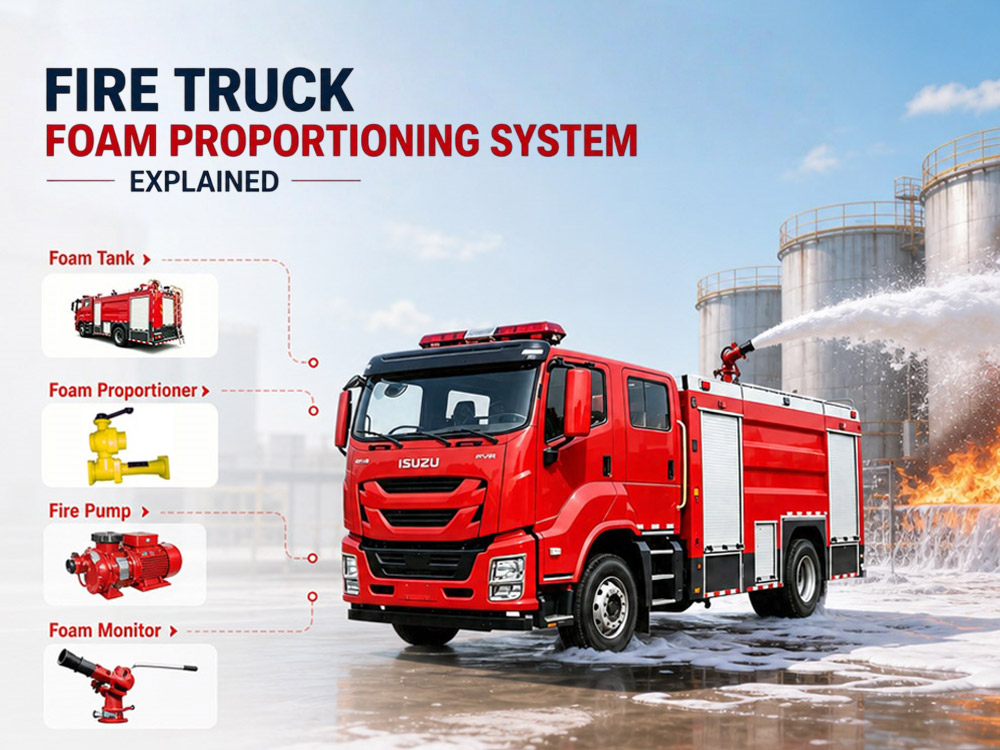
Өрт сөндіру көлігінің көбік жүйесі көбік ерітіндісін жасау үшін суды көбік концентратымен дәл арақатынастарда (1%, 3% немесе 6%) араластырады. Содан кейін бұл ерітінді өрт сорғысы арқылы қысымдалады және көбік саптамалары арқылы ауамен кеңейтіледі — бұл көбікті өрт сөндіру көлігініңкөбік пен суды араластыруының негізгі жұмыс принципі — нәтижесінде жанармай бетінің үстін жабатын тұрақты көбік қабаты түзіледі. Бұл процесс өрт сөндіру тиімділігін 50%-дан астам арттырып, көбік концентратының шығынын 30%-ға азайтады. » I. Неліктен өрт сөндіру көлігіне көбік жүйесі қажет? Суды ғана қолданумен салыстырғанда, көбіктің үш негізгі артықшылығы бар: 1. Оттегіні оқшаулау— Көбік жану бетін жауып, оттегінің жану аймағына жетуіне кедергі келтіретін тығыз физикалық тосқауыл қалыптастырады, осылайша өртті басады. 2. Температураны төмендету— Көбік ерітіндісіндегі су буланған кезде көп мөлшердегі жылуды сіңіріп, жану аймағының температурасын жылдам төмендетеді. 3. Қайта тұтанудың алдын алу— Көбік қабаты сөндірілгеннен кейін де өрт аймағын жабуды жалғастырып, оттегі мен жанғыш буларды тиімді оқшаулайды және қайта тұтану қаупін айтарлықтай азайтады. » II. Көбік жүйесінің негізгі жұмыс принциптері 1. Араластыру жүйесі:Су араластырғыш арқылы өтеді → теріс қысым жасайды (теріс қысымды жүйе) немесе көбік сорғысын пайдаланады (оң қысымды жүйе) → көбік багынан көбік концентратын тартады → алдын ала орнатылған арақатынаста (1%, 3% немесе 6%) араластырады → көбік ерітіндісі сорғыға ағады. 2. Сорғы арқылы қысымдау:Көбік ерітіндісі ортадан тепкіш сорғыға түседі → 0,8–1,2 МПа қысымға дейін жеткізіледі → құбырлар арқылы шығару тесіктеріне немесе көбік мониторы арқылы беріледі. 3. Көбіктің кеңеюі:Қысымдалған көбік ерітіндісі көбік саптамасы немесе ауалау құрылғысы арқылы өтеді → ауа араласады → ерітінді дайын көбікке дейін кеңейеді → жанармай бетін жабады → оттегіні бөгеп, өртті басады. Негізгі түсінік:Көбік концентраты + су = дайын көбік емес. Араласқан көбік ерітіндісі әлі де сұйық күйде болады — ол нағыз өрт сөндіру көбігіне айналу үшін көбік саптамасы арқылы ауамен біріктірілуі керек. Жоғары қысымды көбік ерітіндісі саптамадан жоғары жылдамдықпен өткенде, ол жергілікті теріс қысым аймағын жасап, ауаны күшпен тартады. Саптама ішінде ауа мен сұйықтық соқтығысып, қатты ығысады, нәтижесінде миллиондаған ұсақ көпіршіктерге лезде бөлініп, ақ көбік түзеді. » III. Өрт сөндіру көлігі көбік пен суды қалай араластырады? Өрт сөндіру көлігіндегі көбік араластыру процесі су беруден бастап соңғы көбік түзілуіне дейінгі төрт негізгі кезеңнен тұрады. 1-қадам: Өрт сорғысы су ағынын қамтамасыз етеді Өрт сөндіру көлігі іске қосылғаннан кейін, өрт сорғысы көбік жүйесіне қуат береді. Су көздеріне көліктің борттық багы, өрт гидранты, өзендер, көлдер немесе су қоймалары кіруі мүмкін. Өрт сорғысы су қысымын қалыптастыруға, тұрақты ағынды қамтамасыз етуге және суды көбік мөлшерлеу жүйесіне айдауға жауап береді. 2-қадам: Көбік концентраты жүйеге түседі Өрт сөндіру көлігі тәуелсіз көбік багымен жабдықтал...
Мәлімет
Оқыңыз, хабардар болыңыз, жазылыңыз және сіздің пікіріңізді білгіміз келеді.

 IPv6 желісі қолдау көрсетіледі

 қазақ
қазақ English
 français
 Deutsch
 русский
 italiano
 español
 português
 Nederlands
 العربية
 日本語
日本語 한국의
한국의 Türkçe
 Melayu
 ไทย
ไทย Tiếng Việt
 Indonesia
  中文
中文 Filipino
 မြန်မာ
 српски