Хабарлама қалдырыңыз
Егер сіз біздің өнімдерге қызығушылық танытсаңыз және қосымша ақпарат алғыңыз келсе, онда хабарлама қалдырыңыз, біз сізге мүмкіндігінше тез жауап береміз.

Өрт сорғысы қалай жұмыс істейді? Өрт көлігінің сорғысының жұмыс істеу принципі түсіндірілді
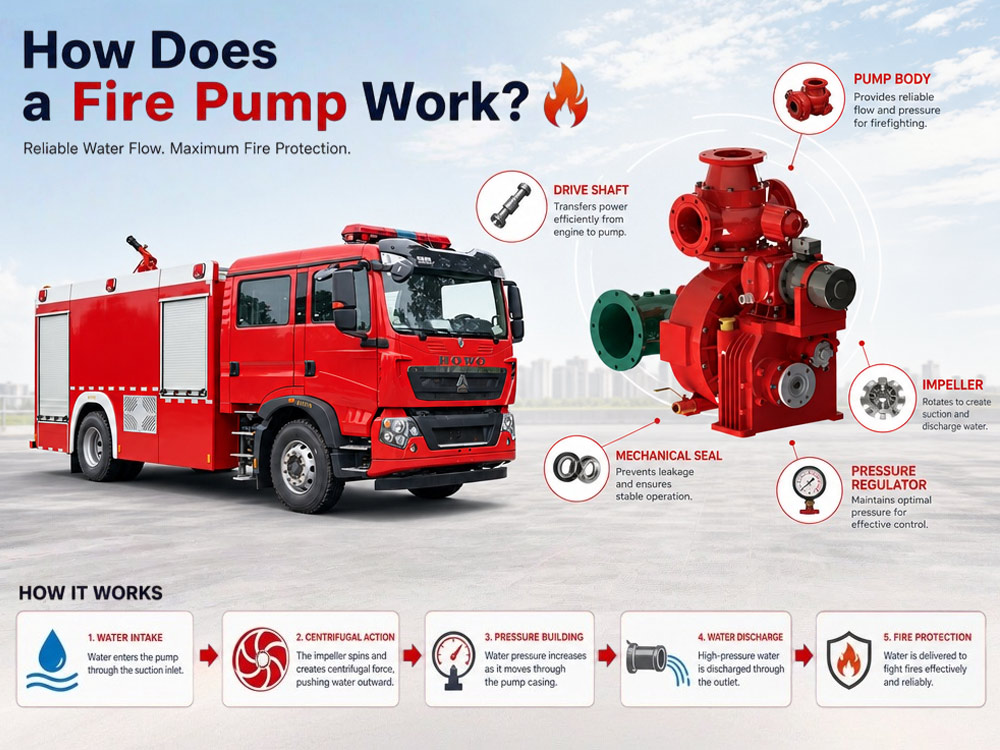
Өрт сорғысы — әрбір өрт сөндіру көлігінің су жеткізу жүйесінің жүрегі. Құрылыс өртінде, өнеркәсіптік төтенше жағдайда, әуежайдағы оқиғада немесе дала өртін сөндіру операциясында әрекет еткенде, өрт сорғысыөрт сөндіру көлігіндегі өрт сөндіру көлігі шлангтарға, өрт оқпандарына және көбік жүйелеріне жоғары қысымды су жеткізуге жауап береді.Оның ортадан тепкіш жұмыс дөңгелегі конструкциясы және КҚА арқылы басқарылатын жүйесі тұрақты қысым мен жоғары ағын жылдамдығын қамтамасыз етеді, бұл өрт сөндіру тиімділігін 40%-дан астам арттырып, әрекет ету уақытын 3 есе қысқартады. Оны өрт сөндіру операцияларының көрінбейтін қорғаушысы және заманауи төтенше жағдайларға ден қоюдың техникалық негізі деп атауға болады.
Өрт сорғысының қалай жұмыс істейтінін, оның жұмыс принципін, негізгі құрамдас бөліктерін, су ағынының процесін, қысым түзілуін және қолданылу салаларын біліңіз. Өрт сөндіру көлігінің сорғылары өрт сөндіруге сенімді су жеткізуді қалай қамтамасыз ететінін және өрт техникасы үшін дұрыс сорғыны қалай таңдауға болатынын зерттеңіз.Бүгін ол туралы үйренейік.
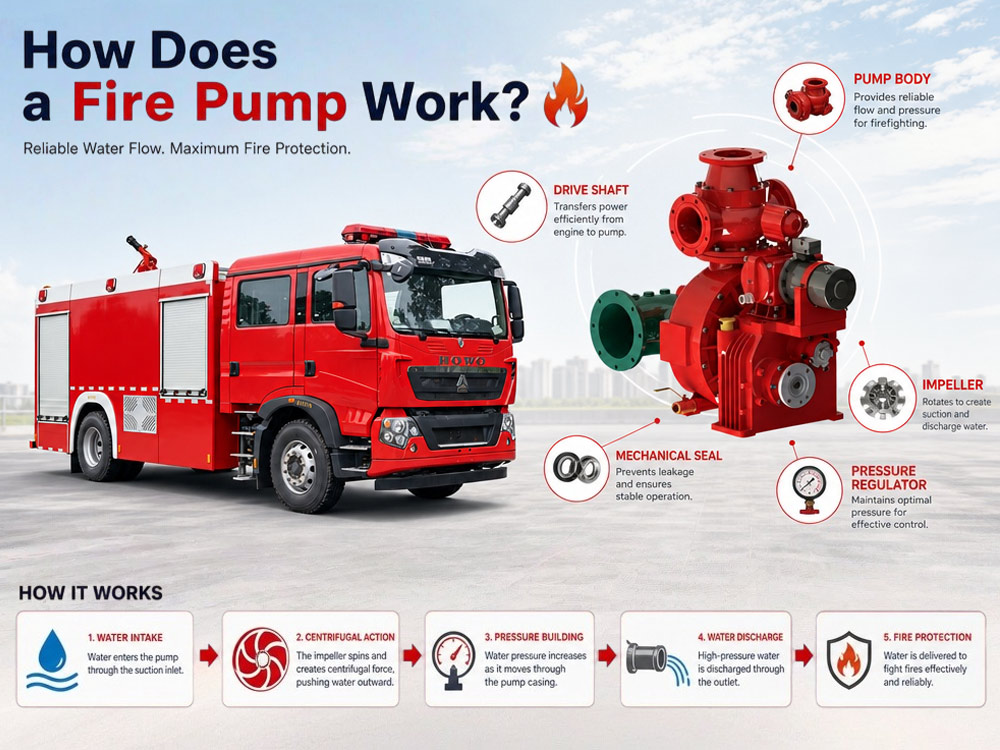
1. Жұмыс дөңгелегі: Суды ішке тартып, ортадан тепкіш күш арқылы сыртқа лақтыратын айналмалы бөлшек. Әдетте қоладан, тот баспайтын болаттан немесе шойыннан жасалады.
2. Сорғы корпусы: Жұмыс дөңгелегін қамтитын және су ағынын бағыттайтын қаптама. Жылдамдықты қысымға айналдыру үшін жасалған.
3. Қуатты алу құрылғысы (PTO): Жүк көлігінің беріліс қорабынан қозғалтқыш қуатын өрт сорғысына беретін механикалық байланыс.
1. Қуат қозғалтқыштан PTO арқылы беріледі
Көлік қозғалтқышы сорғы білігіне қосылатын PTO құрылғысын іске қосады. Оператор PTO-ны қосқанда, қозғалтқыш қуаты сорғының жұмыс дөңгелегін жоғары жылдамдықпен айналдыруға бағытталады.
2. Жұмыс дөңгелегі айнала бастайды
Жұмыс дөңгелегі 1 500–2 500 айн/мин жылдамдықпен айналып, сорғыш кіріс арқылы сорғыға су тартады. Айналып тұрған жұмыс дөңгелегінің қалақтары ортасында төмен қысымды аймақ жасап, борттық бактан, гидранттан немесе табиғи су көзінен суды ішке тартады.
3. Ортадан тепкіш күш су қысымын арттырады
Жұмыс дөңгелегі айналған кезде, ол суды ортадан тепкіш күш арқылы сыртқа лақтырады. Су орталықтан жұмыс дөңгелегінің сыртқы жиегіне қозғалған сайын оның жылдамдығы артады. Содан кейін сорғы корпусы бұл жылдамдықты қысымға айналдырып, жоғары қысымды суды шығару тесігі арқылы сыртқа итереді.
4. Жоғары қысымды су шығару тесігінен шығады
Қысыммен келген су (әдетте 0,8–1,2 МПа) шығару тесігі арқылы өтіп, өрт сөндіру жұмыстары үшін өрт шлангтарына, өрт оқпандарына немесе көбік мөлшерлеу жүйелеріне жеткізіледі.
Өрт сорғысы суды үш көзден ала алады:
Борттық су багы: Бастапқы шабуыл кезіндегі негізгі су көзі. Әдеттегі сыйымдылығы: 2 000–12 000 литр. Оқиға орнына келгенде бірден су жеткізуді қамтамасыз етеді.
Өрт гидранты: Жеткізу шлангтары арқылы қосылады. Ұзақ операциялар үшін үздіксіз су жеткізуді қамтамасыз етеді. Гидранттағы қысым сорғыға ағынды сақтауға көмектеседі.
Табиғи су көзі (сорып алу): Көлдер, өзендер, тоғандар немесе бассейндер. Сорғы су алудан бұрын сорғыш шлангтағы ауаны шығару үшін бастапқы толтыру жүйесін пайдаланады. Теңіз деңгейіндегі ең жоғары теориялық көтеру биіктігі: шамамен 10 метр (33 фут). Тиімді сорып алу тереңдігі: әдетте 7–8 метр.
Сорып алу процесі:
Қатты сорғыш шлангты сорғының кірісіне қосу
Сүзгішті су бетінен кемінде 2–3 фут төмен батыру
Шланг пен сорғыдан ауаны шығару үшін праймерді іске қосу
Вакуум түзіліп, атмосфералық қысым суды жоғары итереді
Су сорғыны толтырады, содан кейін ортадан тепкіш сорғы оған қысым береді
Сорғыш кіріс: Судың сорғыға кіретін орны. Әдеттегі өлшемі: DN100–DN150. Қоқыстың ішке кіруіне жол бермеу үшін сүзгішпен жабдықталған.
Шығыс төтеқұбыры:Қысымдағы су шығатын орын. Әдеттегі өлшемі: DN65–DN80 (стандартты шығыс тесіктері). Шлангтарға немесе лафеттік оқпандарға берілетін ағынды басқаруға арналған клапандармен жабдықталған. Бірнеше шығыс нүктесі бір уақытта пайдалануға мүмкіндік береді.
Жұмыс дөңгелегі:Су ағынын жасайтын айналмалы компонент. Механикалық энергияны кинетикалық энергияға түрлендіреді. Әдетте қоладан (коррозияға төзімді), тот баспайтын болаттан (берік, ұзақ қызмет ететін) немесе шойыннан (стандартты қолданулар үшін үнемді) жасалады.
Сорғы корпусы:Су ағынын бағыттайтын қаптама. Жылдамдықты қысымға түрлендіру үшін жобаланған. Кең таралған конструкциялары: волюталы корпус (бірқалыпты ағысқа арналған спираль тәрізді пішін) және диффузорлы корпус (жоғары тиімділік үшін).
Алғашқы сору жүйесі:Су алудан бұрын сорғы мен сору шлангісінен ауаны шығарады. Түрлеріне мыналар жатады:
Вакуумдық алғашқы сору құрылғысы:Айналмалы қалақшалы немесе поршеньді конструкция. Жылдам әрі тиімді. Қазіргі өрт сөндіру көліктерінде ең кең таралған.
Шығарындылық алғашқы сору құрылғысы:Вакуум жасау үшін қозғалтқыштың шығару газдарын пайдаланады. Қарапайым, бірақ тиімділігі төмен.
Электрлік алғашқы сору құрылғысы:Электр қозғалтқышымен жетектеледі. Сорғы айналмай-ақ алғашқы сору жасай алады. Механикалық тығыздағышты құрғақ жұмыс кезіндегі зақымданудан қорғайды.
Қысымды түсіру клапаны:Артық қысымның пайда болуын болдырмайды. Қысым белгіленген шектен асқанда ашылады. Шлангтарды, сорғыны және өрт сөндірушілерді қорғайды.
Қысым реттегіші:Белгіленген қысымды автоматты түрде сақтайды. Ағын өзгерістерін өтеу үшін қозғалтқыштың айналу жиілігін реттейді. Оператордың жүктемесін азайтады. Қысым режимінде (алдын ала орнатылған қысымды сақтайды) және айналу жиілігі режимінде (қозғалтқыштың алдын ала орнатылған жылдамдығын сақтайды) қолжетімді.
PTO (Қуат алу білігі):Қозғалтқыш пен сорғы арасындағы байланыс. Қозғалтқыш қуатын сорғыны іске қосуға береді. Өрт сөндіру көліктері әдетте толық қуат шығару үшін сендвич PTO түрін (қозғалтқыш пен беріліс қорабының арасына орнатылатын) пайдаланады.
| Сорғы түрі | Артықшылықтары | Әдеттегі қолданылуы |
|---|---|---|
| Бір сатылы ортадан тепкіш сорғы | Жоғары ағын, қарапайым конструкция, үнемді | Муниципалдық өрт сөндіру көліктері |
| Екі сатылы өрт сорғысы | Жоғары қысым, ауыстырылатын режимдер | Көп қабатты ғимараттардағы өрт сөндіру, ұзын шланг желілері |
| Ортаға орнатылған өрт сорғысы | Жақсырақ теңгерім, тұрақты жұмыс | Стандартты өрт сөндіру техникасы |
| Артқы бөлікке орнатылған өрт сорғысы | Техникалық қызмет көрсетуі жеңіл, салқындатуы жақсы | Әуежай және өнеркәсіптік көліктер |
| Салыстыру тармағы | Өрт сорғысы | Стандартты су сорғысы |
|---|---|---|
| Жұмыс қысымы | Жоғары (0,8–2,5 МПа) | Төмен (0,2–0,6 МПа) |
| Ағын жылдамдығы | Жоғары (1 200–6 000 л/мин) | Орташа (500–2 000 л/мин) |
| Үздіксіз жұмыс істеу | Иә (ұзақ уақыт пайдалануға арналған) | Үлгіге байланысты |
| PTO арқылы жетектелетін | Иә | Әдетте жоқ |
| Өрт сөндіру стандарттарына сәйкестік | Иә (NFPA, EN, GB сертификатталған) | Жоқ |
| Қолдану салалары | Өрт сөндіру және құтқару | Өнеркәсіптік, ауыл шаруашылық, тұрмыстық сумен жабдықтау |
| Қолдану | Ұсынылатын сорғы | Себебі |
|---|---|---|
| Қалалық өрт сөндіру | Бір сатылы (1 200–3 000 л/мин) | Тиімді бағасы, көптеген өрттер үшін жеткілікті |
| Көпқабатты ғимараттар | Екі сатылы (2 000–4 000 л/мин) | Тік көтеру үшін жоғары қысым |
| Мұнай-химия зауыттары | Екі сатылы (3 000–6 000 л/мин) | Өнеркәсіптік өрттер үшін жоғары ағын және қысым |
| Әуежайдағы апаттық-құтқару жұмыстары | Артқы орнатылатын (4 000–6 000 л/мин) | Жоғары ағын, техникалық қызмет көрсетуі жеңіл |
| Табиғи аумақтағы өрт сөндіру | Бір сатылы (1 000–2 000 л/мин) | Жеңіл, тасымалдауға ыңғайлы |
Өрт сорғысы қысымды ортадан тепкіш күш арқылы қалыптастырады. Жұмыс дөңгелегі айналған кезде, ол суды ортасына тартып, оны жоғары жылдамдықпен сыртқа лақтырады. Сорғы корпусы бұл жоғары жылдамдықтағы суды баяулату арқылы қысымға айналдырады.
Қысымға әсер ететін факторлар:
Жұмыс дөңгелегінің жылдамдығы:Жылдамырақ айналу = жоғары қысым. Жұмыс дөңгелегінің жылдамдығы қозғалтқыштың айналу жиілігіне (RPM) тікелей пропорционал.
Қозғалтқыштың айналу жиілігі (RPM):Қозғалтқыш жылдамдығы жоғары = жұмыс дөңгелегі жылдамырақ = қысым жоғары. Операторлар қозғалтқыш дросселін реттеу немесе қысым реттегішін пайдалану арқылы қысымды басқарады.
Сорғының конструкциясы:Екі сатылы сорғылар екі жұмыс дөңгелегін тізбектей пайдалану арқылы бір сатылы сорғыларға қарағанда жоғары қысымға қол жеткізе алады.
Құбыр диаметрі:Кіші диаметр = жоғары қысым, бірақ төмен шығын. Үлкен диаметр = төмен қысым, бірақ жоғары шығын. Оператор өрт сөндіру міндетіне қарай қысым мен шығынды теңестіруі керек.
Су көзі:Жеткілікті су қоры қысымды ұстап тұру үшін маңызды. Жеткіліксіз су беру қысымның төмендеуіне әкеледі.
1. Сорғы су толтырмайды
Ықтимал себептер: Сору түтігіндегі ауа ағуы, сүзгінің бітелуі, праймердің жұмыс істемеуі.
Шешімдер: Барлық сору түтігі қосылыстарын тексеріп, қатайтыңыз; сүзгіні тазалаңыз; праймер жүйесін (вакуумдық сорғы немесе электрлік праймер) тексеріп, қажет болса жөндеңіз.
2. Су қысымы төмен
Ықтимал себептер: Бітелген сүзгі, қозғалтқыштың айналу жиілігінің жеткіліксіздігі, тозған жұмыс дөңгелегі, жүйедегі ауа.
Шешімдер: Сүзгіні тазалаңыз; қозғалтқыш жылдамдығын арттырыңыз; жұмыс дөңгелегінің тозуын тексеріп, қажет болса ауыстырыңыз; ауа ағуын тексеріп, қайтадан су толтырыңыз.
3. Кавитация
Түзілуі: Кавитация сорғыға су жеткіліксіз түскен кезде пайда болады. Жұмыс дөңгелегі су мен бу көпіршіктерінің қоспасында айналады. Бұл көпіршіктер жарылған кезде, олар жұмыс дөңгелегін зақымдайтын және қысымның қатты ауытқуын тудыратын соққы толқындарын жасайды.
Алдын алу жолы: Сорғыны су беру жүйесі жеткізе алатыннан жоғары жылдамдықпен ешқашан іске қоспаңыз; кіріс қысымын бақылаңыз; вакуум тым жоғары болса, сорғы жылдамдығын азайтыңыз; сүзгінің бітелмегеніне көз жеткізіңіз.
4. Судың ағуы
Тексерілетін элементтер: Барлық тығыздағыштар мен төсемдерді тексеріңіз; сорғы корпусында жарықтардың бар-жоғын қараңыз; ағызу клапандарының жабық екеніне көз жеткізіңіз; тозған тығыздағыштарды дереу ауыстырыңыз.
5. Қызып кету
Себептері: Сорғының сусыз жұмыс істеуі, салқындатудың жеткіліксіздігі, су ағынынсыз ұзақ жұмыс істеу.
Техникалық қызмет көрсету кеңестері: Сорғыны сусыз ешқашан іске қоспаңыз; салқындату желілерінің таза екенін тексеріңіз; жұмыс кезеңдері арасында сорғыны суытыңыз; жылулық түсіру клапанын үнемі тексеріп тұрыңыз.
» VIII. Нақты жағдайды зерттеу: Муниципалдық өрт сөндіру бөлімінің сорғысын жаңарту
Алғы мәлімет:
Ескірген өрт сөндіру көліктері бар муниципалдық өрт сөндіру бөлімі алдыңғы қатардағы үш өрт сөндіру машинасының сорғы жүйелерін жаңартуы қажет болды. Қолданыстағы сорғылар биік ғимараттардағы өрт сөндіру жұмыстары кезінде қысымды тұрақты ұстай алмай, жиі жөндеуді қажет етті.
Мәселе:
50 метрден жоғары биіктікте қысым тұрақсыз болды
Табиғи су көздерінен суды баяу сору (су толтыру уақыты >45 секунд)
Жоғары қысым кезінде төмен шығын мөлшері
Тығыздағыштардың жиі істен шығуы және жұмыс дөңгелегінің тозуы
Шешім:
CB10/60 өрт сорғысы (1,0 МПа кезінде 60 л/с)
Электрлік вакуумдық праймер (су толтыру жылдамдығын жақсартады)
Автоматты қысым реттегіші (тұрақты қысымды ұстап тұрады)
Жаңартылған сорғы тығыздағыштары мен мойынтіректері
Үлкенірек сүзгілері бар жаңа сору шлангілері
Нәтижелер:
| Көрсеткіш | Бұрын | Кейін |
|---|---|---|
| 50 м биіктіктегі қысым | 0.6 MPa | 0.9 MPa |
| Толтыру уақыты | 45 секунд | 18 секунд |
| Толық қысымдағы ағын жылдамдығы | 40 L/s | 55 L/s |
| Жыл сайынғы тығыздағыштарды ауыстыру саны | 4 | 0 |
Қысым 25%-ға артты, сору уақыты 35%-ға қысқарды, өрт сөндіру тиімділігі айтарлықтай жақсарды және техникалық қызмет көрсету шығындары 60%-ға төмендеді. Бөлім ірі ауқымды өрттер кезінде әрекет ету уақыты жылдамдап, сорғылау жұмыстарының сенімділігі артқанын хабарлады.
1. Қажетті ағын жылдамдығын анықтау
| Қолдану саласы | Ұсынылатын ағын жылдамдығы |
|---|---|
| Муниципалдық өрт сөндіру | 30–60 L/s |
| Өнеркәсіптік парктер | 60–100 L/s |
| Әуежайдағы апаттық-құтқару жұмыстары | 100+ L/s |
| Табиғи аумақтардағы өрт сөндіру | 20–40 L/s |
| Көпқабатты ғимараттар | 40–80 L/s |
2. Қажетті қысымды анықтау
| Қолдану саласы | Ұсынылатын қысым |
|---|---|
| Муниципалдық өрт сөндіру | 0.8–1.0 MPa |
| Өнеркәсіптік парктер | 1,0–1,2 МПа |
| Мұнай-химия зауыттары | 1,2–1,4 МПа |
| Әуежайдағы апаттық-құтқару жұмыстары | 1,0–1,2 МПа |
| Биік ғимараттар | 1,5–2,5 МПа |
3. Су көзін ескеру
Өрт гидрантынан қамтамасыз ету:Бір сатылы сорғы жеткілікті. Алдын ала толтыру қажет емес.
Борттық бак:Бір сатылы немесе екі сатылы. Суды сору үшін алдын ала толтыру қажет.
Табиғи су (сору):Вакуумдық алдын ала сорғыш қажет. Үлкен көтеру биіктігі үшін екі сатылы сорғы қолданылады.
4. Өрт сөндіру көлігінің өлшемі және конфигурациясы
| Шасси | Ұсынылатын сорғы |
|---|---|
| 4×2 | Бір сатылы, 1 200–2 000 л/мин |
| 4×4 | Бір сатылы, 2 000–3 000 л/мин |
| 6×4 | Екі сатылы, 3 000–4 500 л/мин |
| 8×4 | Екі сатылы, 4 000–6 000 л/мин |
С: Өрт сорғысы дегеніміз не?
Ж: Өрт сорғысы — PTO жүйесі арқылы көлік қозғалтқышымен іске қосылатын ортадан тепкіш сорғы. Ол борттық бактардан, гидранттардан немесе табиғи су көздерінен суды сорып алады, жұмыс дөңгелегін айналдыру арқылы су қысымын арттырады және өрт сөндіру жұмыстары үшін жоғары қысымды суды жеңдерге немесе өрт оқпандарына жеткізеді.
С: Өрт сорғысы су қысымын қалай арттырады?
Ж: Жұмыс дөңгелегі жоғары жылдамдықпен (1 500–2 500 айн/мин) айналып, суды ортасына тартады және ортадан тепкіш күш арқылы сыртқа лақтырады. Сорғы корпусы осы жоғары жылдамдықтағы суды баяулату арқылы қысымға айналдырады. Жұмыс дөңгелегінің жылдамдығы жоғары болған сайын = қысым да жоғары болады.
С: Өрт сорғысы кәдімгі су сорғысымен бірдей ме?
Ж: Жоқ. Өрт сорғылары жоғары қысымға (0,8–2,5 МПа), жоғары шығынға (1 200–6 000 л/мин) және үздіксіз төтенше жұмысқа арналған. Кәдімгі су сорғылары төмен қысымда жұмыс істейді және өрт сөндіруге немесе PTO арқылы іске қосылатын жүйелерге арналмаған.
С: Өрт сөндіру көлігінің сорғысын не қуаттандырады?
Ж: Өрт сөндіру көлігінің қозғалтқышы PTO (Power Take-Off) жүйесі арқылы өрт сорғысын іске қосады. Оператор PTO жүйесін қосқанда, қозғалтқыш қуаты сорғының жұмыс дөңгелегін айналдыруға бағытталады. Бөлек қозғалтқыш қажет емес.
С: Өрт сорғысына неліктен алдын ала толтырғыш қажет?
Ж: Алдын ала толтырғыш көлден, өзеннен немесе тоғаннан су сору алдында сорғы мен сору түтігіндегі ауаны жояды. Жүйеде ауа болса, ортадан тепкіш сорғылар суды айдай алмайды. Алдын ала толтырғыш вакуум жасап, атмосфералық қысымның суды сорғыға итеруіне мүмкіндік береді.
С: Бір сатылы және екі сатылы өрт сорғыларының айырмашылығы неде?
A: Бір сатылы сорғыда бір жұмыс дөңгелегі болады және ол орташа қысымда жоғары ағынды қамтамасыз етеді. Екі сатылы сорғыда қатар жалғанған екі жұмыс дөңгелегі болады және ол жоғарырақ қысым бере алады. Екі сатылы сорғылар көлем режимі (жоғары ағын) мен қысым режимі (жоғары қысым) арасында ауыса алады.
Q: Өрт сорғысы өзеннен су тарта ала ма?
A: Иә. Өрт сорғысы су алу (drafting) деп аталатын процесс арқылы өзендерден, көлдерден, тоғандардан және бассейндерден су тарта алады. Праймер сору шлангісі мен сорғыдан ауаны шығарып, вакуум жасайды. Атмосфералық қысым суды сорғыға қарай итереді. Максималды практикалық көтеру биіктігі: шамамен 7–8 метр.
Q: Өрт сорғысының кавитациясына не себеп болады?
A: Кавитация сорғыға су жеткіліксіз түскен кезде пайда болады. Жұмыс дөңгелегі су мен бу көпіршіктерінің қоспасында айналады. Бұл көпіршіктер жарылған кезде жұмыс дөңгелегін зақымдайтын соққы толқындары пайда болады. Кавитация сорғыны су жеткізу мүмкіндігінен жоғары жылдамдықпен іске қосудан, бітелген сүзгілерден немесе шамадан тыс сору биіктігінен туындайды.
Q: Өрт сорғысына қаншалықты жиі қызмет көрсету керек?
A: Күнделікті тексерулер (шу, діріл, ағып кетулер), апталық сынақтар (праймер, қысым реттегіші), ай сайынғы тексерулер (жұмыс дөңгелегі, мойынтіректер, босату клапаны), жыл сайынғы толық ағын сынақтары және гидростатикалық қысым сынақтары жүргізіледі. Тұрақты техникалық қызмет көрсету төтенше жағдайлар кезінде күтпеген ақаулардың алдын алады.
Q: Өрт сөндіру көлігім үшін дұрыс өрт сорғысын қалай таңдауға болады?
A: Қажетті ағын мөлшерін (өрт қаупіне байланысты), қысым талаптарын (ғимарат биіктігіне байланысты), су көзін (гидрант, бак немесе табиғи су көзі), өрт сөндіру көлігінің шассиін (4×2, 4×4, 6×4, 8×4), сорғының бренді мен сенімділігін, сондай-ақ техникалық қызмет көрсету және сервистік қолдауды ескеру қажет. Сорғы көлік қозғалтқышының қуатына және PTO конфигурациясына сәйкес келуі керек.
Өрт сорғылары су қысымын арттыру үшін центрден тепкіш күшті пайдаланады. Жұмыс дөңгелегі суды ішке тартып, оны сыртқа лақтырады, осылайша жылдамдықты қысымға түрлендіреді.
Өрт сөндіру көліктерінің көпшілігіндегі сорғылар PTO жүйесі (қуатты іріктеу жүйесі) арқылы жұмыс істейді. Қозғалтқыш қуаты сорғыға бағытталады, сондықтан бөлек қозғалтқыш қажет емес.
Су көлік бортындағы бактардан, гидранттардан немесе ашық су көздерінен алынуы мүмкін. Табиғи су көздерінен су алу үшін сору шлангісіндегі ауаны шығаратын праймер қажет.
Праймерлеу жүйелері табиғи су көздерінен су алмас бұрын ауаны шығарады. Вакуумдық праймерлер ең кең таралған, ал электрлік праймерлер механикалық тығыздағыштарды қорғауды қамтамасыз етеді.
Сорғы өнімділігі ағын мөлшеріне, қысымға, жұмыс дөңгелегінің өлшеміне және қозғалтқыш қуатына байланысты. Сорғыны өрт сөндіру міндетіне сәйкестендіру өте маңызды.
Дұрыс техникалық қызмет көрсету (күнделікті, апталық, айлық, жылдық) сенімділікті және қызмет ету мерзімін арттырады. Тұрақты сынақтар төтенше жағдайлар кезінде күтпеген ақаулардың алдын алады.
Сорғының жұмысын түсіну сатып алушыларға өрт сөндіру көлігі үшін дұрыс сипаттамаларды таңдауға көмектеседі. Сорғы шассиге, PTO жүйесіне және өрт сөндіру талаптарына сәйкес келуі керек.


Сізді келесі ақпарат қызықтыруы мүмкін
Өрт сорғысы — әрбір өрт сөндіру көлігінің су жеткізу жүйесінің жүрегі. Құрылыс өртінде, өнеркәсіптік төтенше жағдайда, әуежайдағы оқиғада немесе дала өртін сөндіру операциясында әрекет еткенде, өрт сорғысыөрт сөндіру көлігіндегі өрт сөндіру көлігі шлангтарға, өрт оқпандарына және көбік жүйелеріне жоғары қысымды су жеткізуге жауап береді.Оның ортадан тепкіш жұмыс дөңгелегі конструкциясы және КҚА арқылы басқарылатын жүйесі тұрақты қысым мен жоғары ағын жылдамдығын қамтамасыз етеді, бұл өрт сөндіру тиімділігін 40%-дан астам арттырып, әрекет ету уақытын 3 есе қысқартады. Оны өрт сөндіру операцияларының көрінбейтін қорғаушысы және заманауи төтенше жағдайларға ден қоюдың техникалық негізі деп атауға болады. Өрт сорғысының қалай жұмыс істейтінін, оның жұмыс принципін, негізгі құрамдас бөліктерін, су ағынының процесін, қысым түзілуін және қолданылу салаларын біліңіз. Өрт сөндіру көлігінің сорғылары өрт сөндіруге сенімді су жеткізуді қалай қамтамасыз ететінін және өрт техникасы үшін дұрыс сорғыны қалай таңдауға болатынын зерттеңіз.Бүгін ол туралы үйренейік. » I. Алдымен өрт сорғысы жүйесінің үш негізгі құрамдас бөлігін білуіміз керек: 1. Жұмыс дөңгелегі: Суды ішке тартып, ортадан тепкіш күш арқылы сыртқа лақтыратын айналмалы бөлшек. Әдетте қоладан, тот баспайтын болаттан немесе шойыннан жасалады. 2. Сорғы корпусы: Жұмыс дөңгелегін қамтитын және су ағынын бағыттайтын қаптама. Жылдамдықты қысымға айналдыру үшін жасалған. 3. Қуатты алу құрылғысы (PTO): Жүк көлігінің беріліс қорабынан қозғалтқыш қуатын өрт сорғысына беретін механикалық байланыс. » II. Негізгі құрамдас бөліктерді білгеннен кейін, өрт сорғысының негізгі жұмыс принципі келесідей: 1. Қуат қозғалтқыштан PTO арқылы беріледі Көлік қозғалтқышы сорғы білігіне қосылатын PTO құрылғысын іске қосады. Оператор PTO-ны қосқанда, қозғалтқыш қуаты сорғының жұмыс дөңгелегін жоғары жылдамдықпен айналдыруға бағытталады. 2. Жұмыс дөңгелегі айнала бастайды Жұмыс дөңгелегі 1 500–2 500 айн/мин жылдамдықпен айналып, сорғыш кіріс арқылы сорғыға су тартады. Айналып тұрған жұмыс дөңгелегінің қалақтары ортасында төмен қысымды аймақ жасап, борттық бактан, гидранттан немесе табиғи су көзінен суды ішке тартады. 3. Ортадан тепкіш күш су қысымын арттырады Жұмыс дөңгелегі айналған кезде, ол суды ортадан тепкіш күш арқылы сыртқа лақтырады. Су орталықтан жұмыс дөңгелегінің сыртқы жиегіне қозғалған сайын оның жылдамдығы артады. Содан кейін сорғы корпусы бұл жылдамдықты қысымға айналдырып, жоғары қысымды суды шығару тесігі арқылы сыртқа итереді. 4. Жоғары қысымды су шығару тесігінен шығады Қысыммен келген су (әдетте 0,8–1,2 МПа) шығару тесігі арқылы өтіп, өрт сөндіру жұмыстары үшін өрт шлангтарына, өрт оқпандарына немесе көбік мөлшерлеу жүйелеріне жеткізіледі. » III. Өрт сорғысы суды қайдан алады? Өрт сорғысы суды үш көзден ала алады: Борттық су багы: Бастапқы шабуыл кезіндегі негізгі су көзі. Әдеттегі сыйымдылығы: 2 000–12 000 литр. Оқиға орнына келгенде бірден су жеткізуді қамтамасыз етеді. Өрт гидранты: Жеткізу шлангтары арқылы ...
Мәлімет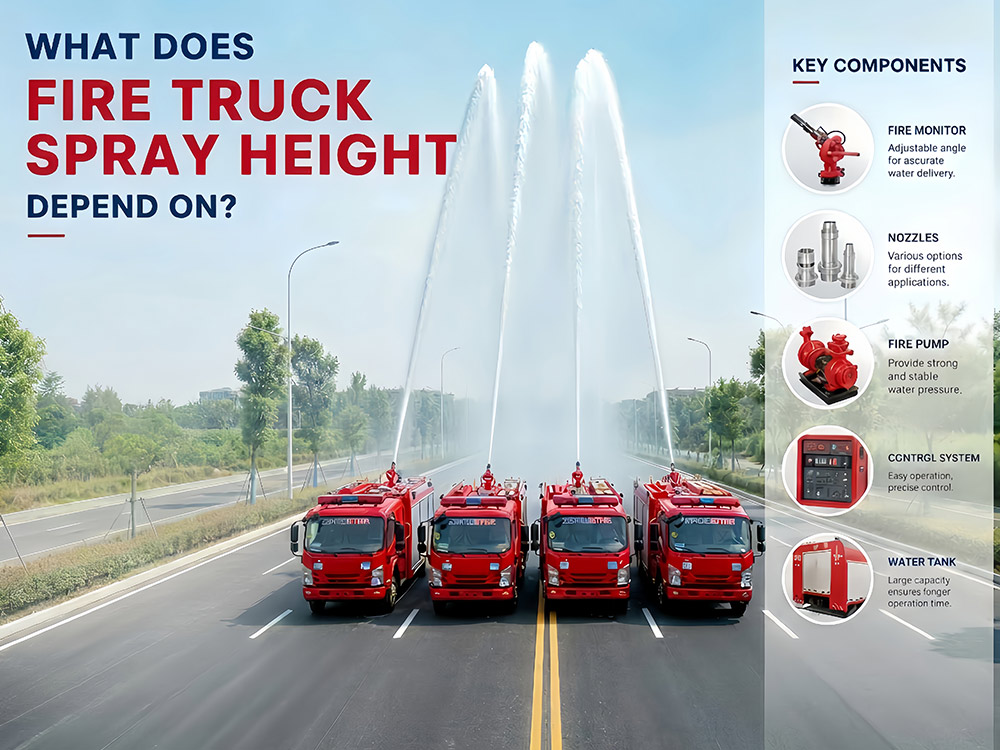
Өрт сөндіру көлігінің сорғы және бүрку жүйесі өрт сөндіру операцияларының негізгі өзегі болып табылады. Ол өрт сөндіру көлігінің «қуатты қолы» қызметін атқарады. Қозғалтқыш қуатын қысымға (0,8-ден 1,4 МПа-ға дейін) түрлендіру арқылы ол өрт сөндіргіш заттарды 85 метрге дейінгі биіктікке жеткізеді — мейлі ол тығыз қала орталығындағы биік ғимарат өрті болсын немесе өнеркәсіптік аймақтағы мұнай-химиялық сақтау резервуарының өрті болсын, өрт сөндіру көлігі тиімді өртті басу үшін осы жүйеге сүйенеді. Өрт сөндіру көлігінің бүрку биіктігіне қандай факторлар әсер етеді және сорғы қысымы, ағын жылдамдығы мен өрт мониторы қалай бірге жұмыс істейді? Бұл көптеген тұтынушыларды қызықтыратын негізгі мәселелер. Бүгін бұл туралы білейік. » I. Бүрку биіктігін анықтайтын үш негізгі компонент 1. Өрт сорғы жүйесі: Өрт сөндіру көлігінің жүрегі. PTO арқылы іске қосылатын ортадан тепкіш сорғы. Қалыпты қысым деңгейлері: 0,8 МПа, 1,0 МПа, 1,2 МПа, 1,4 МПа. Ағын жылдамдығы 2 000-нан 5 000+ л/мин дейін. 2. Өрт мониторы: Өрт сөндіргіш зат көліктен шыққанға дейінгі соңғы компонент. Су мониторы, көбік мониторы және қос мақсатты монитор түрлері бар. PL сериясы (PL48) ағын жылдамдығы 4 000 л/мин-ге дейін және бүрку биіктігі 70+ метрге дейін жетеді. 3. Жеткізу жүйесі: Өрт сөндіргіш затты сорғыдан мониторға жеткізетін құбырлар, түтіктер және саптамалар. Түтік диаметрі, ұзындығы және саптама түрі соңғы бүрку биіктігіне әсер етеді. » II. Бүрку биіктігін анықтайтын негізгі факторлар 1.1. Сорғы қысымы Өрт сөндіру көлігінің сорғы қысымы — өрт сорғысы өрт сөндіргіш затты түтіктер арқылы итеріп, оны саптамалардан немесе мониторлардан шығаруға жұмсайтын күш. Ол ағын жылдамдығы мен бүрку қашықтығының негізгі қозғаушы факторы болып табылады. Жоғары қысым монитор шығысындағы жылдамдықты арттырып, бүрку биіктігін тікелей көбейтеді. Байланыс H ≈ P/(ρg) формуласы арқылы анықталады, мұнда әрбір 0,1 МПа арту теориялық биіктікті шамамен 10 метрге арттырады — бірақ нақты жағдайдағы шығындар бұл көрсеткішті азайтады. Практикалық өрт сөндіру операцияларында келесі ауқымдар қолданылады: Сорғы қысымы Әдеттегі бүрку биіктігі 0,8 МПа 35–45 метр 1,0 МПа 45–55 метр 1,2 МПа 55–70 метр 1,4 МПа 70–85 метр 1.2. Өрт сорғысының жұмыс істеу принципі: Сорғы әдетте көлік қозғалтқышы арқылы қуат алу құрылғысы (PTO) көмегімен іске қосылатын ортадан тепкіш сорғы болып табылады. Жұмыс дөңгелегі айналған кезде, ол өрт сөндіргіш затты ішке тартып, ортадан тепкіш күш арқылы сыртқа лақтырады, нәтижесінде оны шығару жүйесі арқылы қозғайтын қысым пайда болады. Номиналды қысым және жұмыс қысымы: Термин Анықтама Номиналды қысым Жобалық жағдайларда сорғы үздіксіз ұстап тұра алатын ең жоғары қысым Жұмыс қысымы Өрт сөндіру кезінде қолданылатын нақты қысым, әдетте қор қалдыру үшін номиналды қысымнан төмен болады 2. Ағын жылдамдығы (л/мин) Жеткілікті ағын қысым сияқты маңызды. Төмен ағынмен жоғары қысым өртті басу үшін жеткілікті мөлшерде өрт сөндіргіш зат жеткізе алмайды. Сорғы жүйесі қысым мен ағынды бір уақытта ұстап тұруы к...
Мәлімет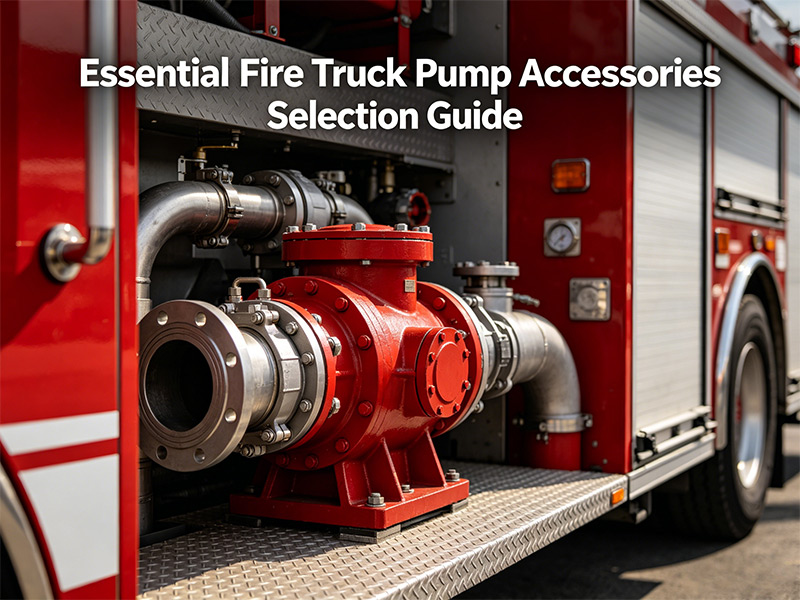
Өрт сөндіру көлігі сорғы жүйесі оның құрамдас бөліктері сияқты ғана сенімді. Суды көзден алудан бастап оны жоғары қысыммен шығаруға дейін әрбір керек-жарақ маңызды рөл атқарады. Бұл нұсқаулықта өрт сөндіру көлігі бес негізгі керек-жарақ санаты қарастырылады: вакуумдық сорғыштар, шарлы клапандар, конустық клапандар, көбік мөлшерлегіштері және гидравликалық басқару жүйелері. Бұл құрамдастарды түсіну өрт сөндірушілерге жабдықтарын дұрыс күтіп ұстауға және нақты қолдану жағдайлары үшін тиісті керек-жарақтарды таңдауға көмектеседі. I. Вакуумдық сорғыштар сериясы (вакуумды толтыру құрылғылары) Су құбыры қолжетімсіз болған кезде көлдерден, өзендерден немесе басқа да тұрақты көздерден су алу үшін вакуумдық сорғыштар қажет. Олар сорғы мен сору шлангісінен ауаны шығарып, атмосфералық қысымның суды сорғыға итеруіне мүмкіндік береді. Өнімге шолу Өнім Максималды вакуум Кернеу Қуат Сәйкес келетін сорғы өлшемі 2 поршенді сорғыш >85kPa 24V - 100 л/с төмен Электрлік 2 поршенді сорғыш >85kPa 24V 2.1KW 100 л/с төмен 4 поршенді сорғыш >85kPa 24V - 100 л/с жоғары Электрлік 4 поршенді сорғыш >85kPa 24V 2.1KW 100 л/с жоғары Негізгі ерекшелік: электрлік сорғыштар Электрлік сорғыштардың маңызды артықшылығы бар — олар сорғы айналмай тұрғанда да оны толтыра алады. Бұл механикалық тығыздағышты құрғақ жұмыс істеуінен болатын зақымданудан қорғайды. Стандартты сорғыш сорғының айналуын қажет етсе, электрлік нұсқа тәуелсіз жұмыс істеп, тығыздағыштың қызмет ету мерзімін ұзартады. II. Шарлы клапандар сериясы (ағынды басқару) Шарлы клапандар шлангілер мен шығару саңылаулары арқылы өтетін су ағынын басқарады. Олар қарапайым 90° бұру арқылы жылдам қосу/өшіру жұмысына арналған. Тот баспайтын болаттан жасалған шарлы клапандар Модель Материал Номиналды қысым Бұранда Басқару FQS65/2.5 Корпус және шар: 304 тот баспайтын болат; Тығыздағыш: PTFE 2.5 MPa G2-1/2" Қол дөңгелегі / Иінтірек FQS80/2.5 Корпус және шар: 304 тот баспайтын болат; Тығыздағыш: PTFE 2.5 MPa G3" Қол дөңгелегі / Иінтірек Алюминий қорытпасынан жасалған шарлы клапандар (жеңіл салмақ) Модель Материал Номиналды қысым Бұранда Басқару FQS65/2.5 Корпус: A356.2; Шар: 304; Тығыздағыш: PTFE 2.5 MPa G2.5" Қол дөңгелегі / Иінтірек FQS80/1.6 Корпус: A356.2; Шар: 304; Тығыздағыш: PTFE 1.6 MPa G3" Қол дөңгелегі / Иінтірек FQS65/2.5 төртбұрышты Корпус: A356.2; Шар: 304; Тығыздағыш: PTFE 2.5 MPa - Пневматикалық / Иінтірек Ⅲ. Глобус клапандары сериясы (Қысым және ағынды реттеу) Қосу/өшіру жұмысына арналған шарлы клапандардан айырмашылығы, глобус клапандары ағын жылдамдығы мен қысымды дәл басқаруға мүмкіндік береді. Олар біртіндеп реттеу қажет болатын жағдайлар үшін өте қолайлы. Модель Материал Номиналды қысым Бұранда Басқару DN65/2.5 Корпус: A356.2; Шток: H62; Тығыздағыш: NBR 2.5 МПа G2.5" Қол дөңгелегі DN80/2.5 Корпус: A356.2; Шток: H62; Тығыздағыш: NBR 2.5 МПа G3" Қол дөңгелегі Ысырмалы клапанды қашан қолдану керек Басқа көліктің багын толтыру немесе шланг желісін белгілі бір қысыммен қамтамасыз ету си...
Мәлімет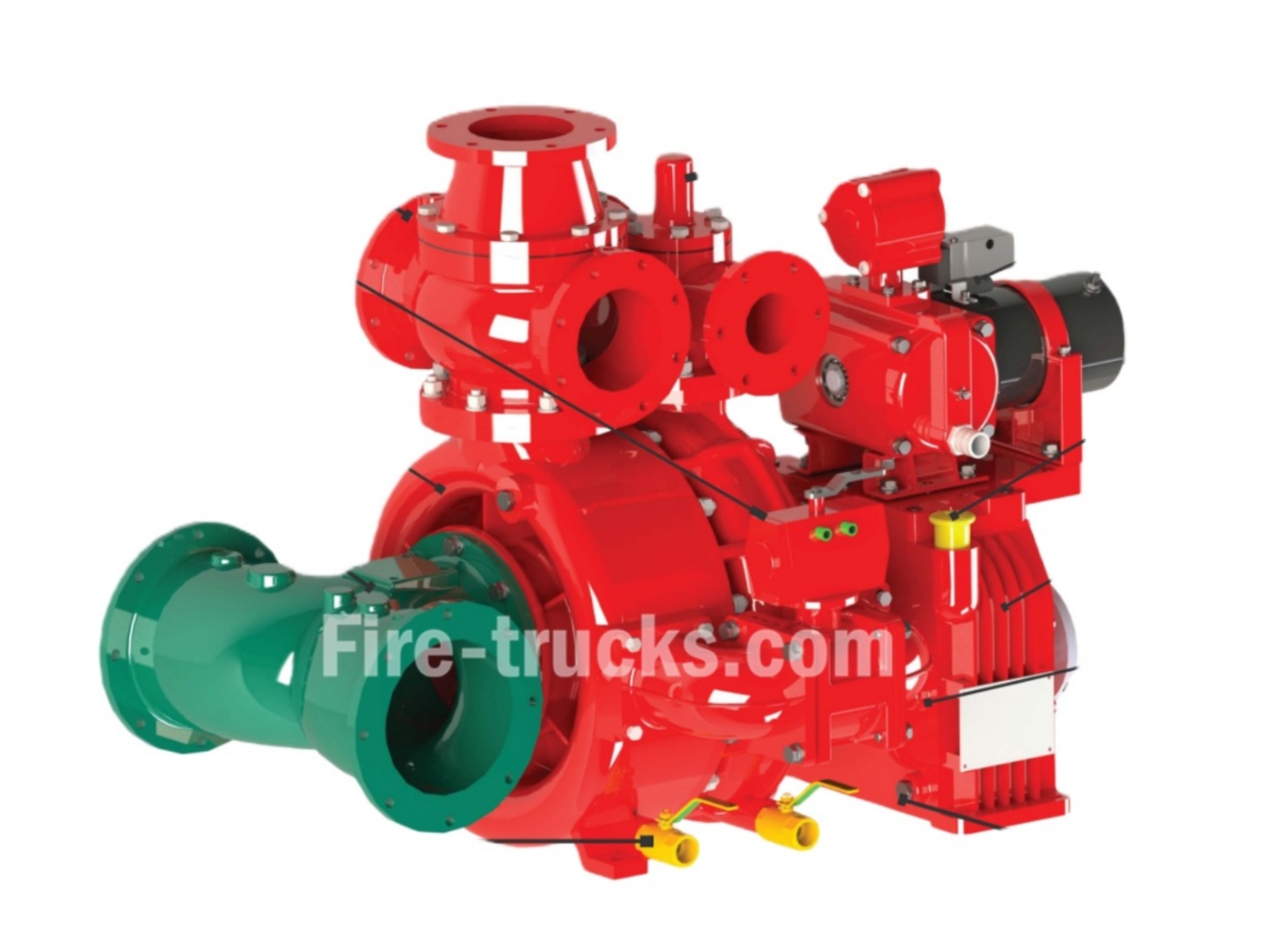
Кәсіби сюнчжэнь ретінде өрт сорғысын өндіруші Қытайда, Powerstar жүк көліктері төмен қысымды өрт сорғысы, орташа-төмен қысымды өрт сорғысы және жоғары-төмен қысымды көлікке орнатылған өрт сорғылары, сондай-ақ өрт мониторлары мен көбік пропорционерлері сияқты қосалқы жабдықтарды қоса алғанда, өзінің «Сюнчжэнь» брендімен шығарылатын өнімдер сериясына иелік етеді. Оның өрт сорғылары алюминий қорытпасы және тот баспайтын болат сияқты жаңа материалдарды пайдаланады және электромагниттік ілінісуді автоматты түрде ажырату құрылғысымен және кері клапанмен жабдықталған, бұл тамаша өнімділікпен, қарапайым пайдаланумен және ыңғайлы техникалық қызмет көрсетумен ерекшеленеді. Компанияның өнімдері Ұлттық өрт сөндіру жабдықтарының сапасын бақылау және тексеру орталығының типтік сынағынан, CCC сертификатынан және ISO9001 сапа менеджменті жүйесінің сертификатынан өтті. Xiongzhen өрт сөндіру сорғылары негізінен келесі модельдерді қамтиды: CB10/20-XZ, CB10/30-XZ , CB10/40-XZ, CB10/60-XZ , CB10/80-XZ, CB10/100-XZ, CB20.10/15.30-XZ, CB20.10/20.40-XZ, CB20.10/30.60-XZ және т.б. Өрт сөндіру көліктеріне арналған CB10/20-XZ өрт сөндіру сорғысы Өрт сөндіру көліктеріне арналған CB10/30-XZ өрт сөндіру сорғылары Қытайдағы өрт сөндіру машинасына арналған CB10/40-XZ үлгісіндегі өрт сорғылары Өрт сөндіру-құтқару көліктеріне арналған CB10-60 үлгісіндегі өрт сорғылары Өрт сөндіру көліктеріне арналған CB10/80-XZ апаттық өрт сөндіру сорғылары Өрт сөндіру көлігіне арналған CB10/100-XZ өрт сөндіру сорғылары Xiongzhen өрт сөндіру сорғысының жүйесі CB10/100-XZ сипаттамасы xiongzhen CB сериялы өрт сорғыларын өндірушілер CB10/150 өрт сорғыларының жиынтығының сипаттамалары Өрт сөндіру сорғы жүйесі CB10/160-XZ xiongzhen зауыты CB10/170-XZ апаттық өрт сөндіру сорғыларының сипаттамалары Powerstar жүк көліктері төрт патентке ие, мықты техникалық мүмкіндіктерімен мақтана алады және өнімнің жоғары біліктілік көрсеткіштерін және тұтынушылардың қанағаттанушылығын қамтамасыз ету үшін CAD сызбасы және CNC станоктары сияқты озық өндірістік жабдықтарды пайдаланады. Оның өнімдері негізінен өрт сөндіру көліктерін модификациялау зауыттары мен өрт сөндіру бригадаларына бағытталған. CB20.10 20.40 өрт сөндіру сорғысының егжей-тегжейлі сипаттамасы Xiongzhen зауытынан шыққан CB20.10 30.60-XZ өрт сорғысы CB20/15-XZ сериялы өрт сөндіру сорғысы CB20/20-XZ сериялы апаттық өрт сөндіру сорғысы CB20 25 өрт сорғысын орнату туралы мәліметтер Міне, сіздің XIONGZHEN көлігіңіздің техникалық қызмет көрсету кестесі өрт сөндіру сорғылары , оңай анықтама алу үшін апта, ай, тоқсан және жыл бойынша жіктелген: 01, Powersar өрт сөндіру сорғысын күнделікті тексеру: Қысымды тұрақтандыратын сорғының іске қосу-тоқтату қысымын және жиілігін тексеріңіз. Дизельді қозғалтқыштың өрт сөндіру сорғысының іске қосу батареясының қуатын тексеріңіз. Су көзін басқару клапандарының және дабыл клапандарының жинақтарының сыртқы түрін зақымдануын тексеріңіз. 02, Powersar өрт сөндіру сорғысы Апталық тексеру: Автоматты іске қосу қозғалтқышының өрт со...
Мәлімет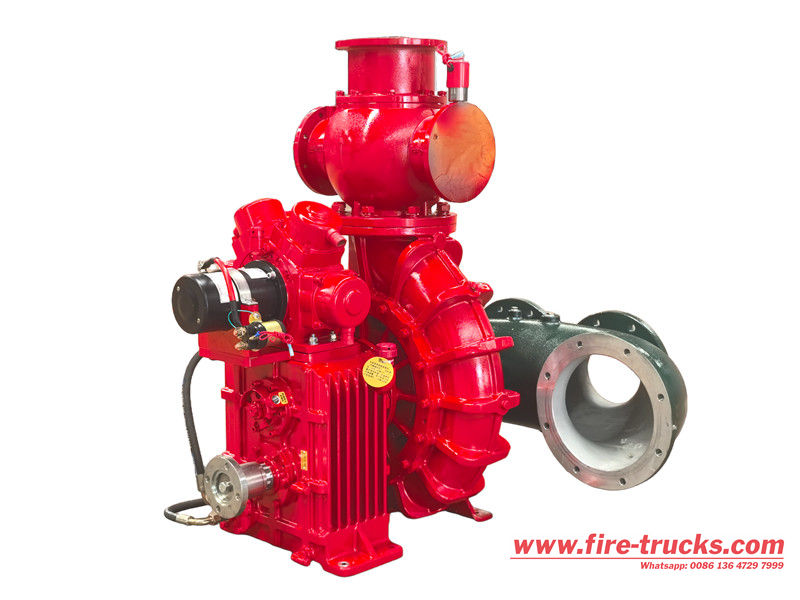
CB10/140 көбікті өрт сөндіру сорғысы - өрт сөндіру жүйелерінің негізгі сумен жабдықтау қажеттіліктерін қанағаттандыратын, номиналды қысымы 1,0 МПа және номиналды ағын жылдамдығы 140 л/с болатын, көлікке орнатылған немесе стационарлық өрт сөндіру сумен жабдықтау жүйесі. Сорғы корпусы мен жұмыс дөңгелегі жоғары сапалы, тозуға төзімді материалдардан жасалған, коррозияға және жоғары қысымға төзімділікті қамтамасыз етеді. Ол су көзін жылдам ауыстыруға арналған қос кірісті конструкциямен жабдықталған және жоғары тиімді қозғалтқышпен немесе дизельді қозғалтқышпен басқарылады, іске қосу уақытын 30 секунд немесе одан аз уақытқа жеткізеді. Ықшам дизайнымен, оңай техникалық қызмет көрсетуімен және сенімді жұмысымен... CB10/140 көбікті өрт сөндіру сорғысы өрт сөндіру жұмыстарын тиімді сумен қамтамасыз ету үшін маңызды жабдық болып табылады. CB10/140-XZ төмен қысымды жүк көлігіне орнатылған өрт сөндіру сорғысы алюминий қорытпасынан жасалған сорғы корпусы және жезден жасалған дөңгелекшесі бар бір сатылы центрифугалық құрылымға ие. Ол электрлік қосқышы бар электрлік төрт поршеньді сумен толтыру жүйесін пайдаланады. Қосымша CB10/20 көбікті сорғысы пневматикалық бөлу механизмін пайдаланады. Бұл өнім тамаша өнімділікті, ықшам құрылымды, қарапайым пайдалануды және оңай техникалық қызмет көрсетуді ұсынады. CB10/140-XZ өрт сөндіру сорғысы - өрт сөндіру көліктерінде қолданылатын бір сатылы центрифугалық су сорғысы, ол автоматты түрде қосылып және ажыратылатын екі поршеньді толтыру құрылғысымен сипатталады. Ол ықшам құрылымымен, оңай басқарылуымен және ыңғайлы техникалық қызмет көрсетуімен жоғары өнімділікке арналған. Негізгі сипаттамаларына ағын жылдамдығы \(140\) л/с және номиналды жылдамдықта \(2600) айн/мин кезінде \(1,0\) МПа шығыс қысымы кіреді. » . CB10/140 көбікті өрт сөндіру сорғысының жұмыс принципі ● Су мен көбік концентратын қабылдау: Су көзінен, ал көбік концентраты оның сақтау ыдысынан алынады. ● Пропорциялау: Пропорционализатор көбік концентратын сумен алдын ала белгіленген қатынаста араластырады. ● Қысыммен өңдеу: Сорғы қоспаны қысыммен қамтамасыз етеді, оның жылдамдығы мен қысымын арттырады. ● Шығару: Қысыммен көбіктенген ерітінді шығару шлангісі арқылы форсункаға итеріліп, сол жерде отқа шығарылады. ● Өртті сөндіру: Көбік отын көзін жауып, оны оттегінен бөліп, өртті сөндіреді. » . CB10/140 көбікті өрт сөндіру сорғысының егжей-тегжейлі кіріспесі 1. Жоғары сапалы құрылымдық дизайн, тұрақты және сенімді өнімділік: ● The CB10/140 өрт сөндіру сорғысы бір сатылы центрифугалық конструкциямен ерекшеленеді және жоғары беріктігі бар алюминий қорытпасынан жасалған, жеңіл салмақ, коррозияға төзімділік және жоғары температураға төзімділік сияқты артықшылықтарды ұсынады. ● Сорғының ішкі құрылымы дәл өңделген, бұл тегіс ағынды және тамаша гидравликалық өнімділікті қамтамасыз етеді. Механикалық тығыздағыш ағып кетулердің алдын алады және ұзақ мерзімді жұмыс сенімділігін қамтамасыз етеді. ● Бұл өрт сөндіру сорғысы қуатты сору және шығару қуатына ие, бұл оны әртүрлі ор...
Мәлімет
Оқыңыз, хабардар болыңыз, жазылыңыз және сіздің пікіріңізді білгіміз келеді.

 IPv6 желісі қолдау көрсетіледі

 қазақ
қазақ English
 français
 Deutsch
 русский
 italiano
 español
 português
 Nederlands
 العربية
 日本語
日本語 한국의
한국의 Türkçe
 Melayu
 ไทย
ไทย Tiếng Việt
 Indonesia
  中文
中文 Filipino
 မြန်မာ
 српски